Tell us about the job
Takes about a minute. No obligation.
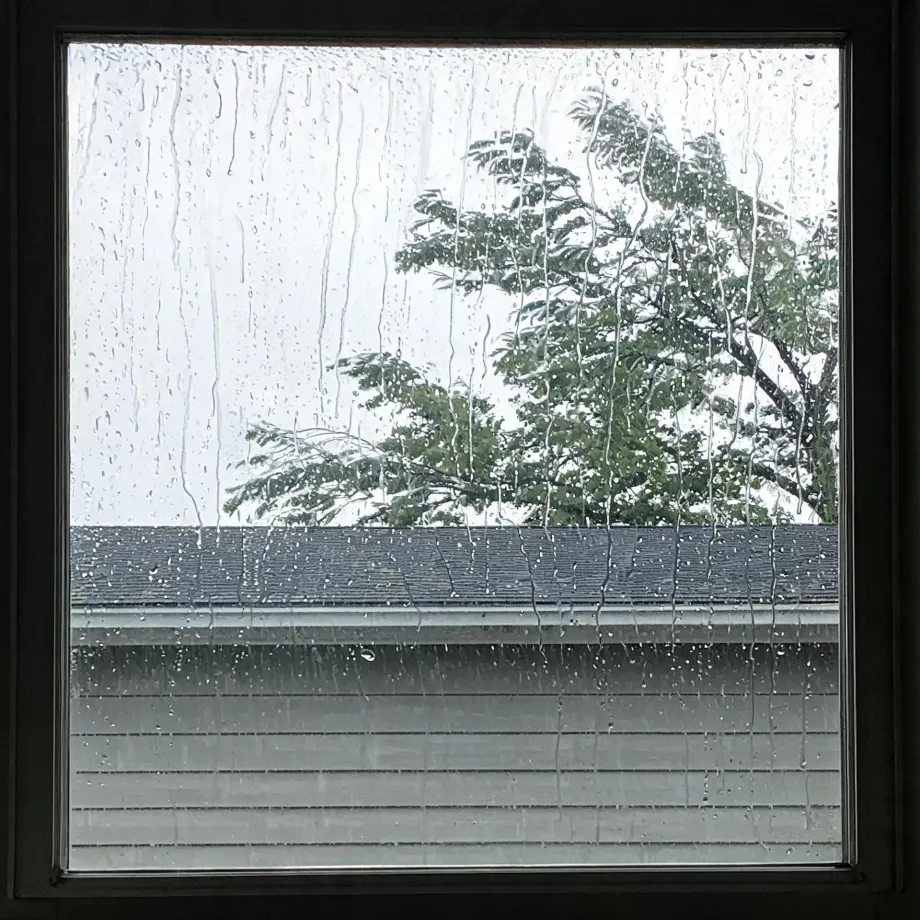
A contractor quoting a central AC repair in Scott County has to settle one question before anything else: what actually wore this system down. 24 severe weather events were recorded in Scott County, Illinois between 2015 and 2024. At that rate, severe weather is an event, not a steady grind, and most equipment here has not been tested by it often enough to pin a compressor failure or a refrigerant problem on storm load. What the contractor finds instead, when the panels come off, is the slower work of age and how well the system was serviced. Capacitors, contactors, and coils fail on their own schedule, and that schedule runs on years and maintenance, not on weather.
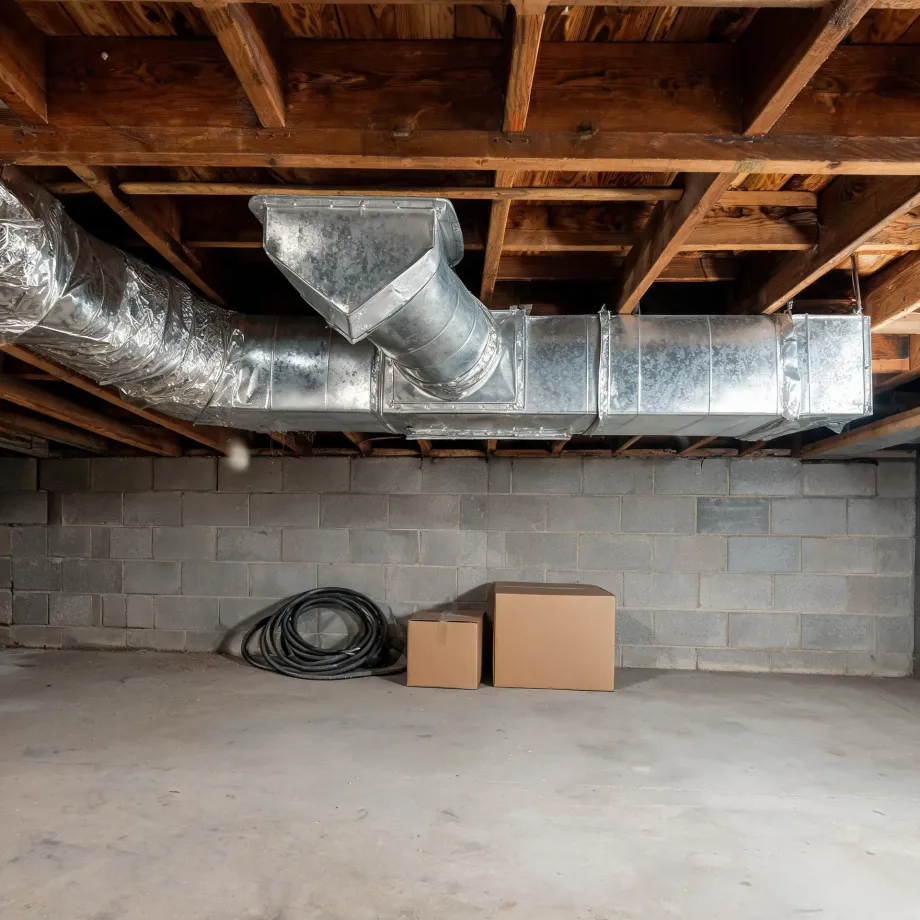
Half the homes in Scott County, Illinois were built in 1963 or earlier (2020-2024 ACS 5-year). A house that old was almost certainly on its second or third cooling system before the current one went in, which means the equipment a contractor opens today was installed into an existing structure, not designed alongside it. When a repair call comes in, what settles the job is whether the compressor, the control board, or the refrigerant fittings the unit takes are still in production. Parts for systems running in stock this old can fall outside active manufacturing runs, and a contractor who finds that out mid-job has to reprice around a replacement component or reframe the conversation entirely.
The Parts of a Central AC a Contractor Checks During Repair
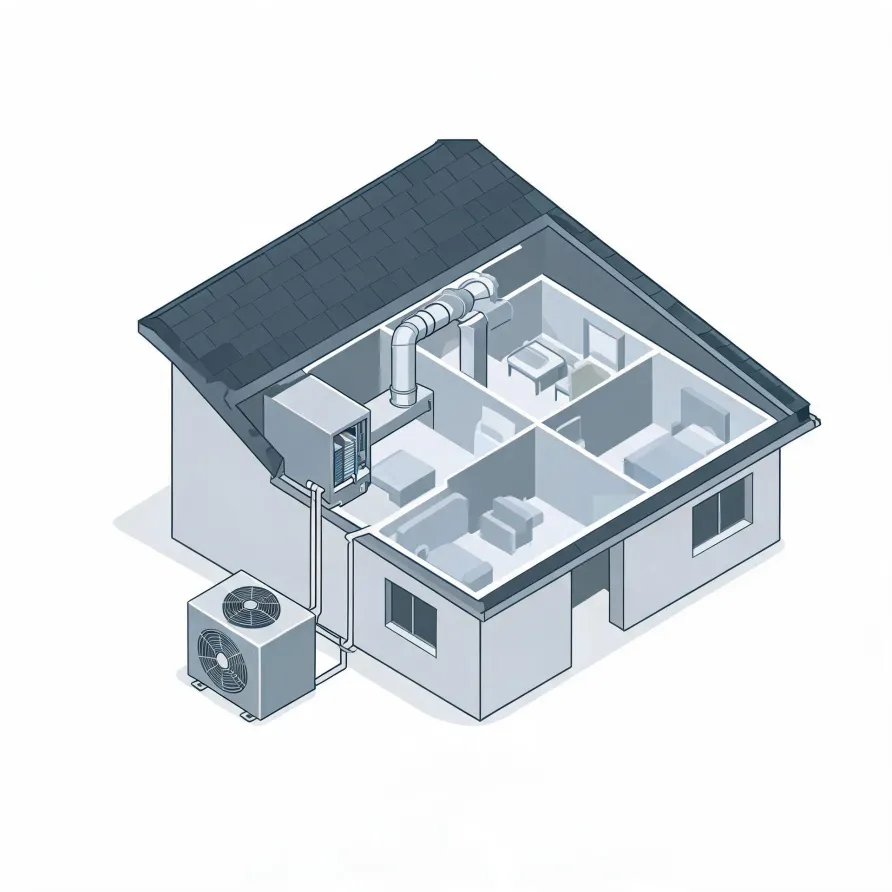
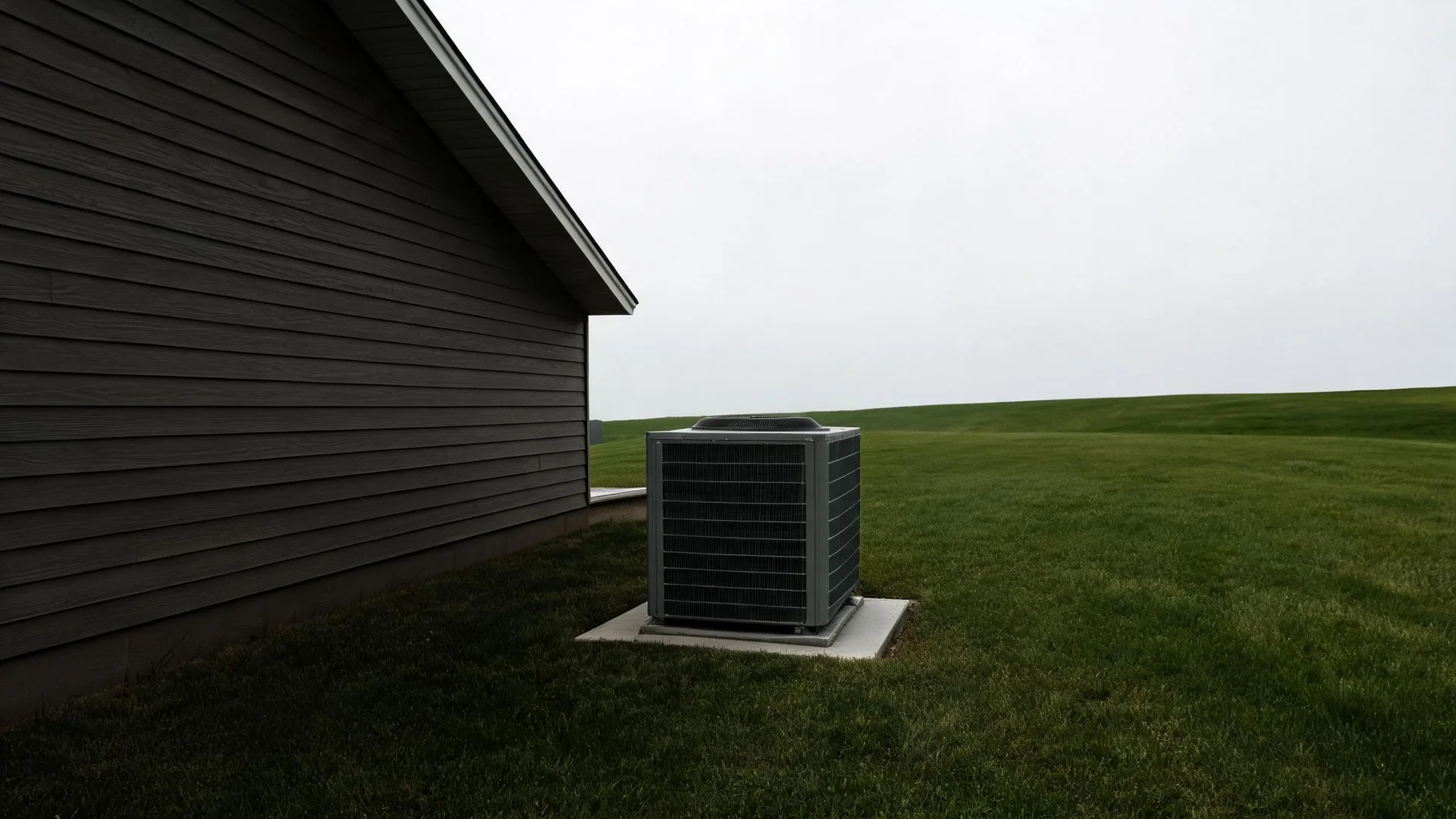
The outdoor condenser unit sits on a pad beside the house and holds the compressor, the condenser coil, and a fan. These are the parts that take on the most stress in summer heat. When cooling stops or weakens, a contractor starts here, because a failed compressor or a clogged condenser coil is often the source.
Inside the house, the air handler or furnace cabinet holds the evaporator coil and the blower. The evaporator coil sits directly above or alongside the furnace; the blower pushes air across it and into the ducts. A frozen coil, a weak blower motor, or a clogged drain line under the coil each show up as distinct symptoms that point a contractor to the right cabinet.
The drawing shows a typical layout, and a licensed contractor determines which components apply and what the repair calls for in your specific home.
Get matched in Scott CountyScott County by the numbers
24 severe weather events were recorded in Scott County, Illinois between 2015 and 2024.
NOAA National Centers for Environmental Information, Storm Events Database, bulk CSV export, events 2015-01-01 through 2024-12-31.Half the homes in Scott County, Illinois were built in 1963 or earlier (2020-2024 ACS 5-year).
U.S. Census Bureau, 2020-2024 American Community Survey 5-Year EstimatesScott County, Illinois holds 2,384 housing units (2020-2024 ACS 5-year).
U.S. Census Bureau, 2020-2024 American Community Survey 5-Year EstimatesOwners occupy 79.0% of the occupied homes in Scott County, Illinois (2020-2024 ACS 5-year).
U.S. Census Bureau, 2020-2024 American Community Survey 5-Year EstimatesCodes & Standards Covering Central AC Repair in Scott County, Illinois9 sourced rules and standards
What HVAC Repair Looks Like in Scott County
Split-system central air conditioners rated below 45,000 Btu/h manufactured on or after January 1, 2023 must meet a federal minimum of 13.4 SEER2.
Split-system central air conditioners rated at or above 45,000 Btu/h manufactured on or after January 1, 2023 must meet a federal minimum of 13.4 SEER2.
Split-system central air conditioners manufactured between January 1, 2015 and December 31, 2022 had to meet 13 SEER, the metric that preceded SEER2.
Single-package central air conditioners manufactured on or after January 1, 2023 must meet a federal minimum of 13.4 SEER2.
Space-constrained central air conditioners manufactured on or after January 1, 2023 must meet a federal minimum of 11.7 SEER2.
Federal efficiency standards for split-system central air conditioners and heat pumps are set on each certified combination of outdoor unit and indoor coil rather than on the outdoor unit alone.
Residential and light commercial air conditioning and heat pump systems assembled in the field, including mini-splits and unitary systems, may not be installed on or after January 1, 2025 using a refrigerant with a global warming potential above 700.
A field-assembled system whose specified components were all manufactured or imported before January 1, 2025 carries no installation compliance date under the refrigerant restrictions and may still be installed.
Licensing Rules for HVAC Repair in Scott County, Illinois
Illinois leaves HVAC licensing to the municipality: state law lets the corporate authorities of each city or village examine, license and regulate heating, air conditioning and refrigeration contractors, and caps the licence fee they may charge at $50 — so who licenses you depends on the town you work in.
Severe Weather Events in Scott County
Extreme weather puts real stress on cooling equipment, and that stress accumulates over time. Repair needs in Scott County track with what the local climate actually does to the hardware.
24 severe weather events, 2015–2024. Source: NOAA National Centers for Environmental Information, Storm Events Database.