Do you need a dehumidifier with AC in Illinois

A local installer who puts in air conditioners gets your project.

Match me with a pro

Do I need a dehumidifier if I already have central AC in Illinois?

Your AC runs all summer and the house still feels damp. Floors feel sticky, windows fog, maybe there's a musty smell in the basement even with the thermostat set low. You're wondering if central air is supposed to handle that on its own, or if something else needs to happen to keep an Illinois summer from feeling like a swamp indoors.

Central AC alone usually isn't enough in Illinois summers

Your AC pulls moisture out of the air as a side effect of cooling, not as its main job. On a humid July day, it may shut off once the house hits temperature before it's pulled out enough moisture to feel dry. That's how you end up with a cold house that still feels clammy. A whole-home dehumidifier works alongside the AC, pulling moisture down to a set level regardless of how long the AC runs. In a basement especially, where cool air sinks and sits, that extra step matters for comfort and for keeping mold and musty odors from taking hold.

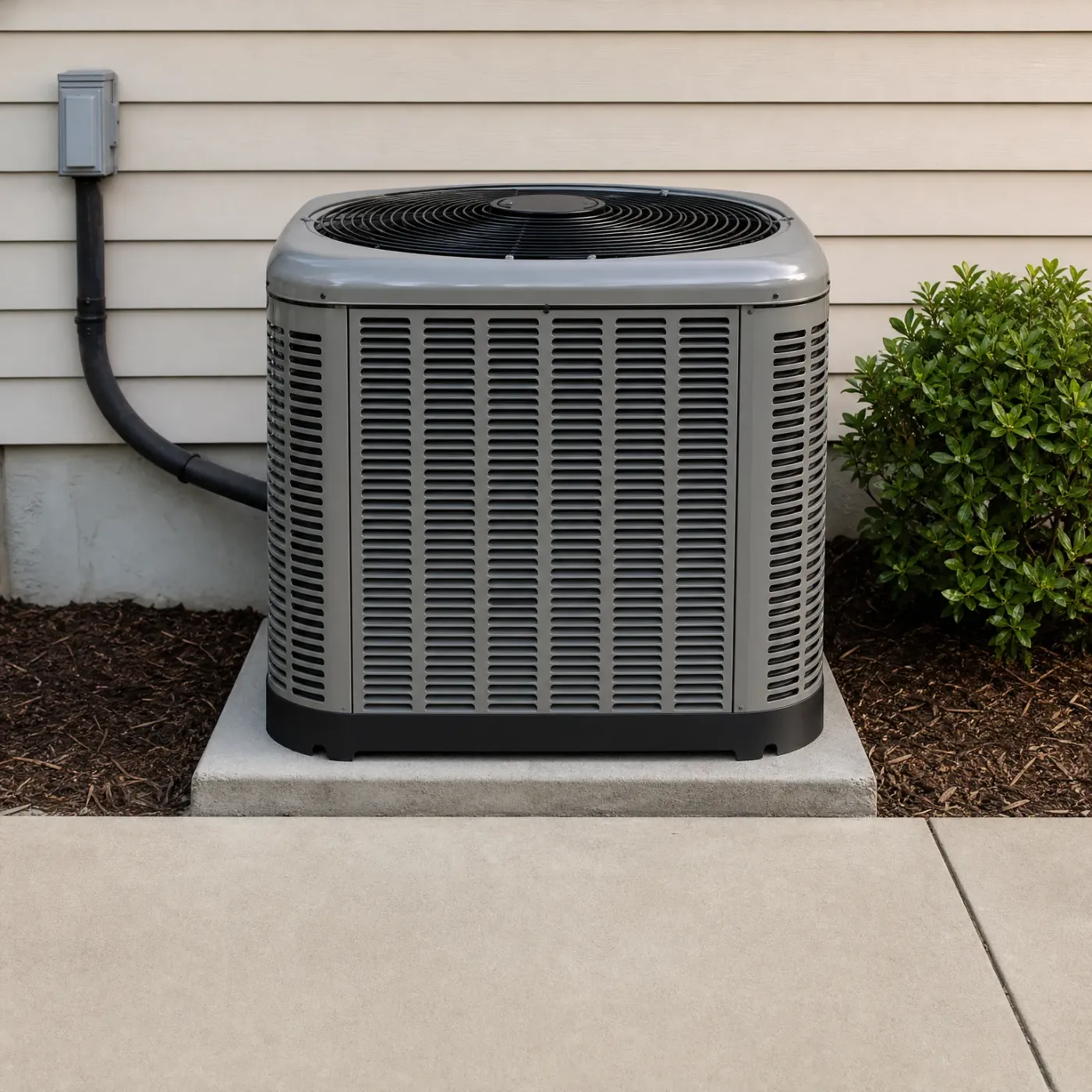
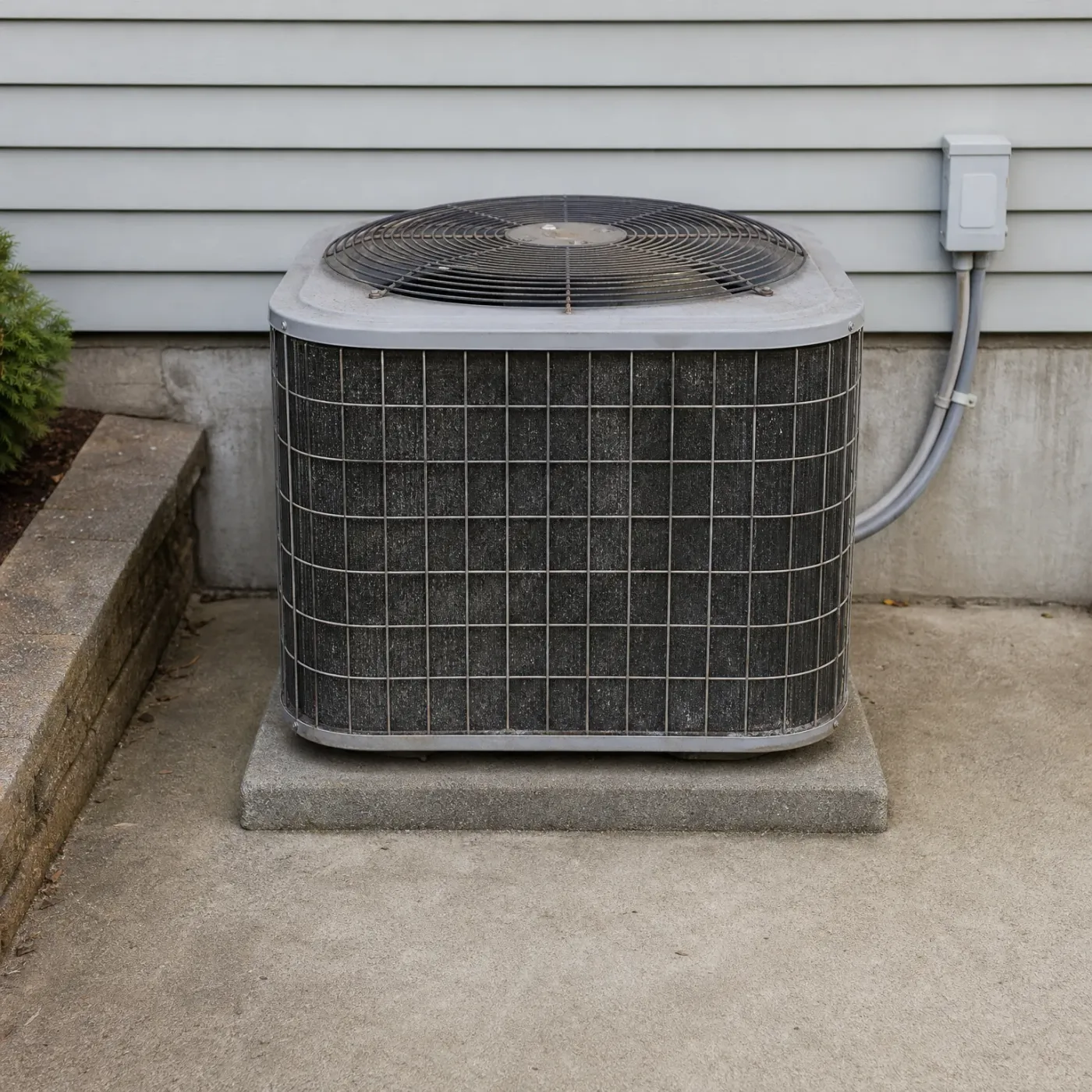
A gray outdoor air conditioning condenser unit on a concrete pad beside a house with horizontal lap siding, with a conduit and electrical disconnect box on the wall and a green shrub in mulch to the right.

AC cooling the air, not the moisture

Your condenser cycles on, hits the setpoint, and shuts off before it has pulled much water out of the air. The thermostat reads 72 and the house still feels clammy, because the unit was built to drop temperature, not humidity.

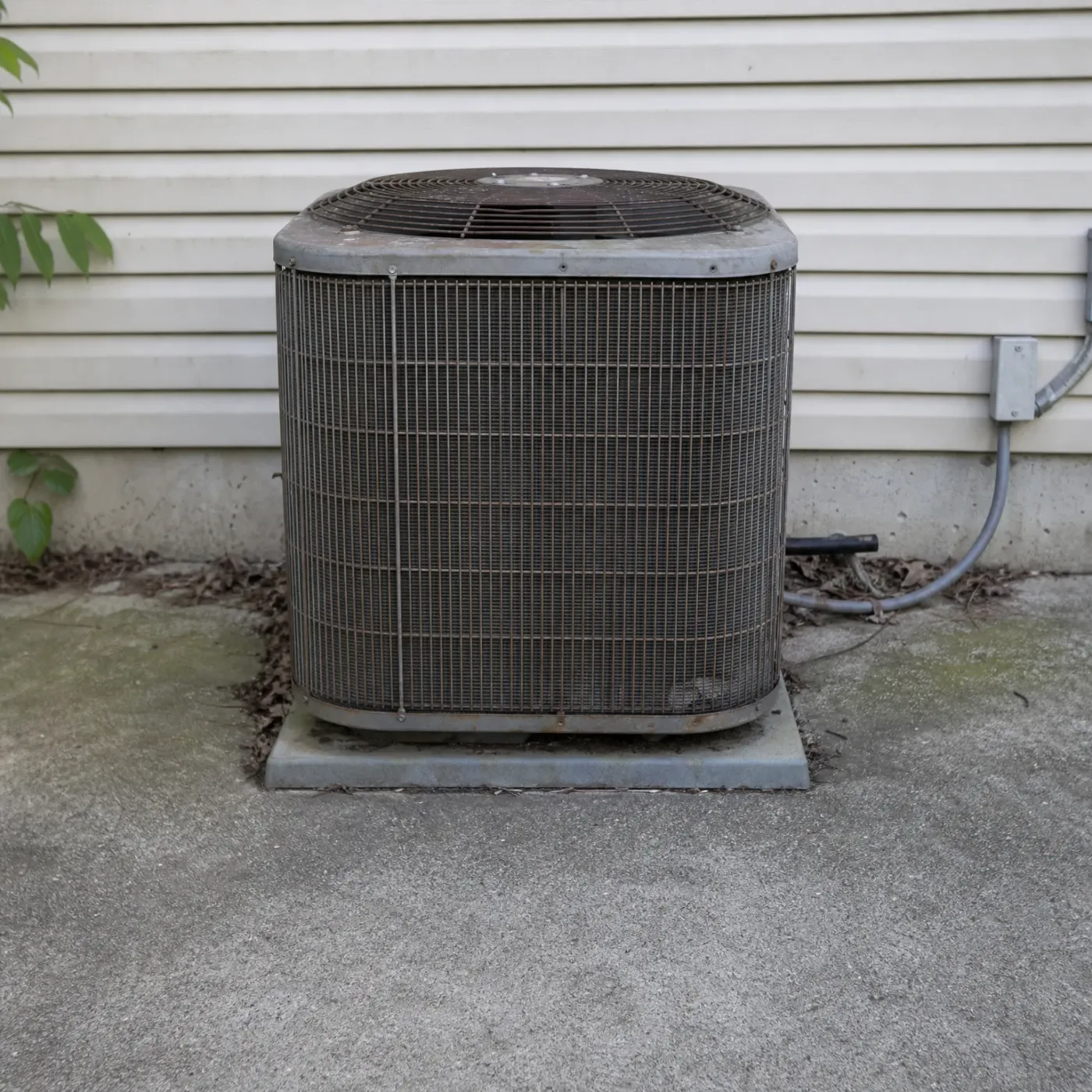
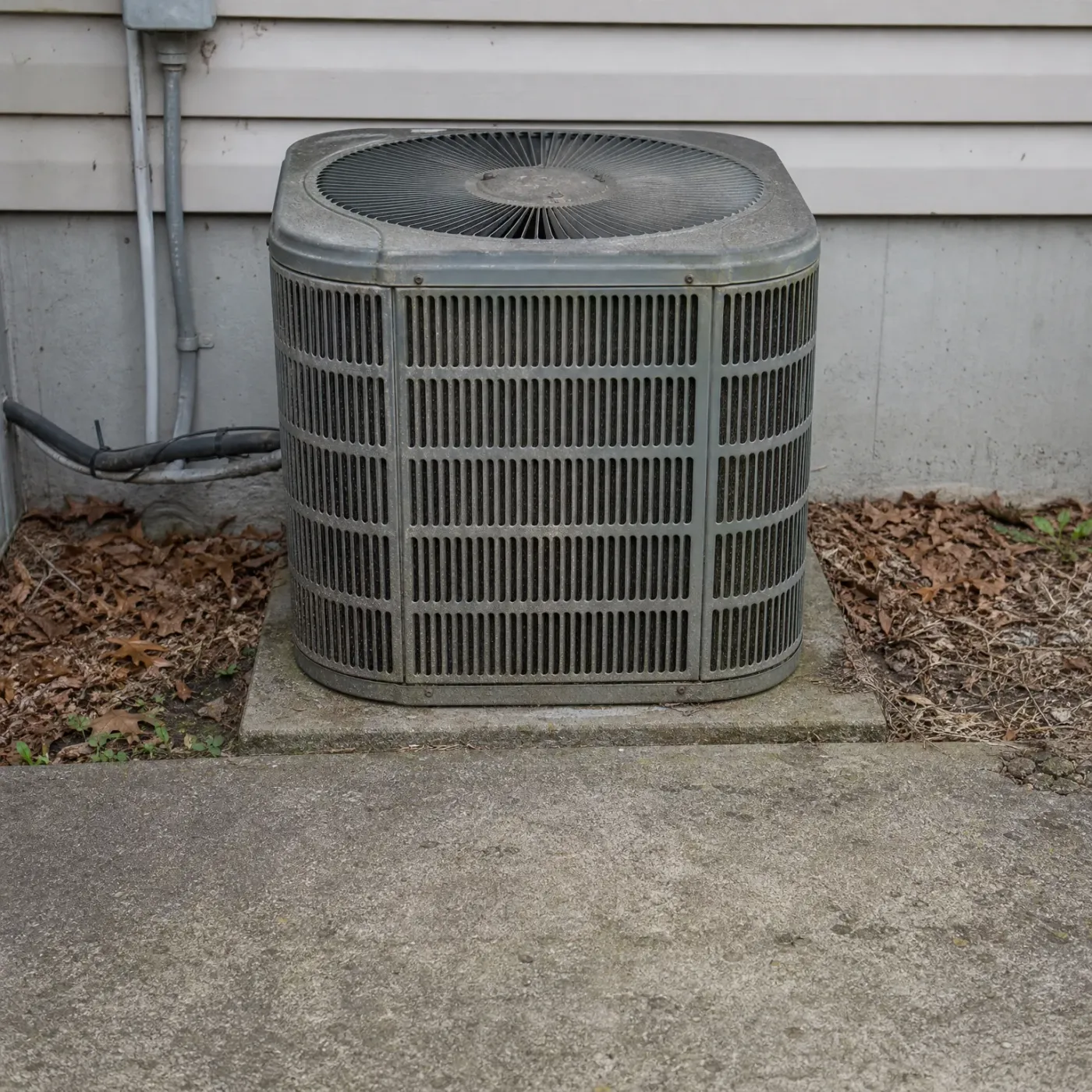
A weathered outdoor air conditioner condenser unit on a concrete pad beside a house with horizontal vinyl siding, with a conduit and disconnect box on the wall to the right.

A system working harder with less to show for it

Short cycling on muggy days means the coil never runs long enough to wring the air dry. Dust and grime building up on the outdoor unit, like the leaves and dirt collecting around this one, only add to the strain and the power it draws.

A woman in a cream cardigan and jeans stands with one hand raised facing an open front door of a gray horizontal-siding house, with a black lantern wall light, a potted shrub with yellow flowers, and a stone-faced porch column.

What that damp air is doing to your house

Humidity sitting in your house all summer doesn't just feel bad. It gets into wood floors and trim, and you'll see it in doors that stick in July and gaps that open up again by January. It feeds mold on basement walls and in closets that don't get airflow. It leaves a musty smell in rooms you've stopped noticing because you're used to it.

It also works against the AC you're already running. Moist air holds onto heat, so your system has to run longer to get the house to feel right at the same thermostat setting, and with power costs what they are in Illinois, that adds up over a summer. A contractor who looks at your house can tell you whether a whole-home dehumidifier tied into your ductwork would actually solve what you're dealing with, instead of you guessing room by room.

A living room corner with a beige upholstered armchair holding navy and striped cushions, a small round wooden side table with a carved bowl and a potted green plant, a framed landscape picture on a pale wall, built-in shelving, and a curtained window.
A dim bedroom with an unmade bed beside a window holding a box fan, with sheer curtains, a lamp at right and a large blank wall at left.

Nine at night and it's still 84 outside. The box fan sits in the window, pulling in air that doesn't cool anything, just moves it around. You're on top of the sheets because anything else is too warm against your skin. The ceiling fan clicks on every rotation, the AC kicked off twenty minutes ago when it hit the setpoint downstairs, and up here the air sits thick enough that the back of your neck stays damp. You keep thinking about the quotes you'd have to call around for, the different companies, explaining the same thing three times, and you haven't done it yet. The fan just keeps turning the same wet air.


Get your air conditioner to the right pro

Skip collecting and comparing quotes for the new air conditioner.

No fee to send it, and nothing to sign.

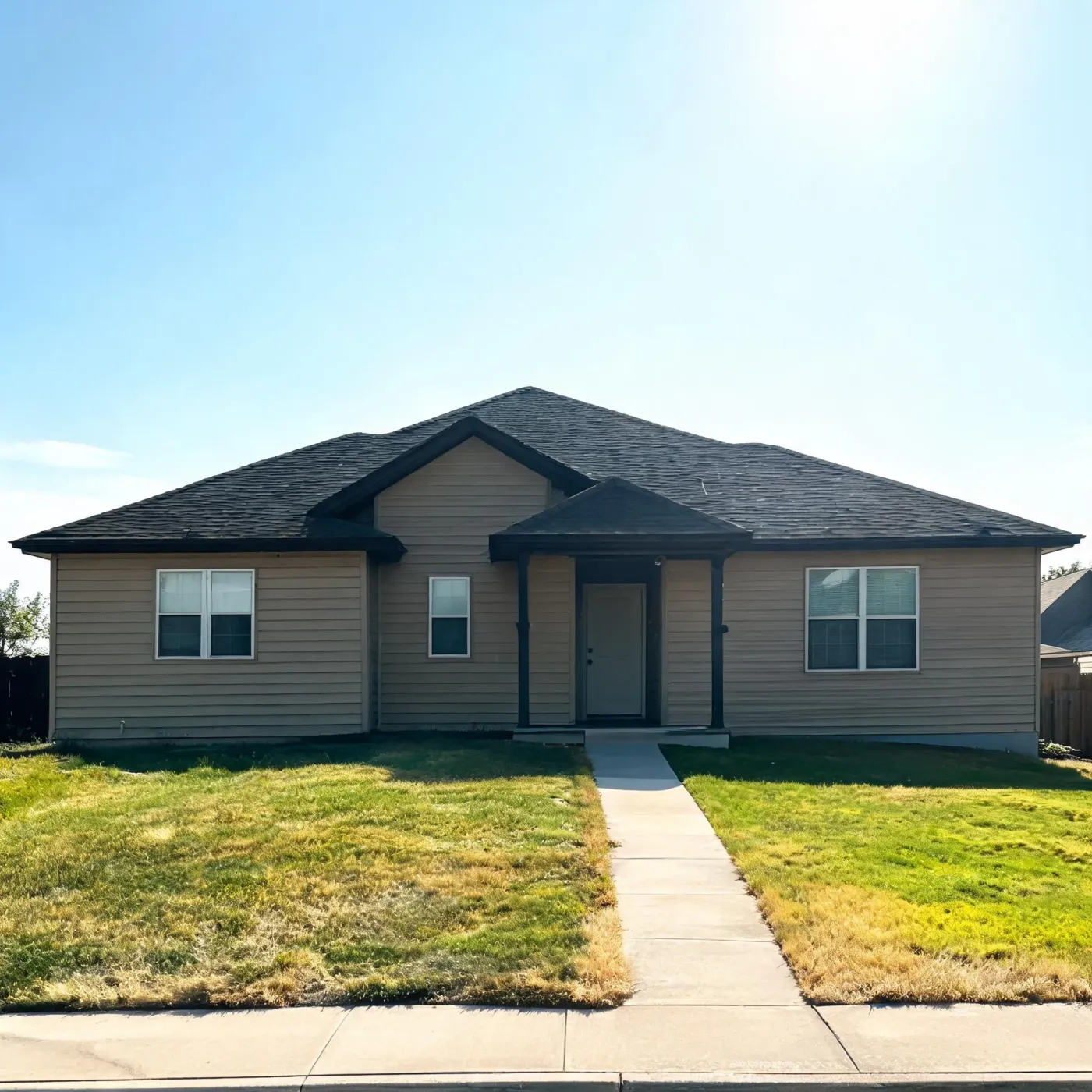
Single-story house with tan horizontal siding and a dark shingled hip roof, fronted by a patchy green and brown lawn and a concrete walkway leading to the covered entry.

A summer dew point averaging 63°F across Illinois, per NOAA, is the point where air starts to feel heavy instead of just warm. Below 60 feels fine. Past 63, your skin stays damp even sitting still, and your AC is working against that the whole time. It cools the air pulling through the coil, but pulling enough moisture out to get ahead of a 63°F dew point takes longer than most cycles run. The unit shuts off once the thermostat's satisfied, well before the air has actually dried out. That's the gap a dehumidifier is built to close.

NASA POWER T2MDEW county cells weighted by homes

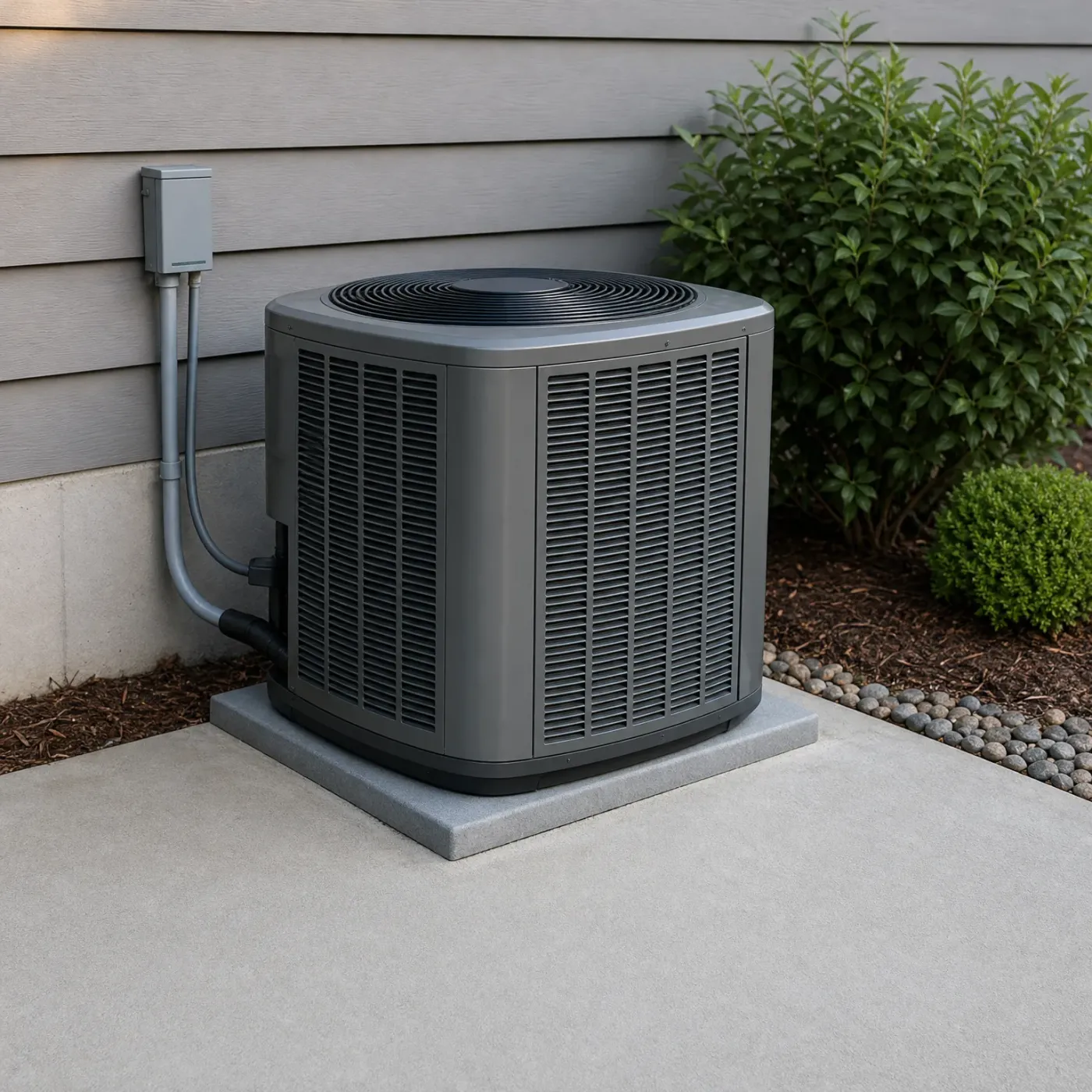
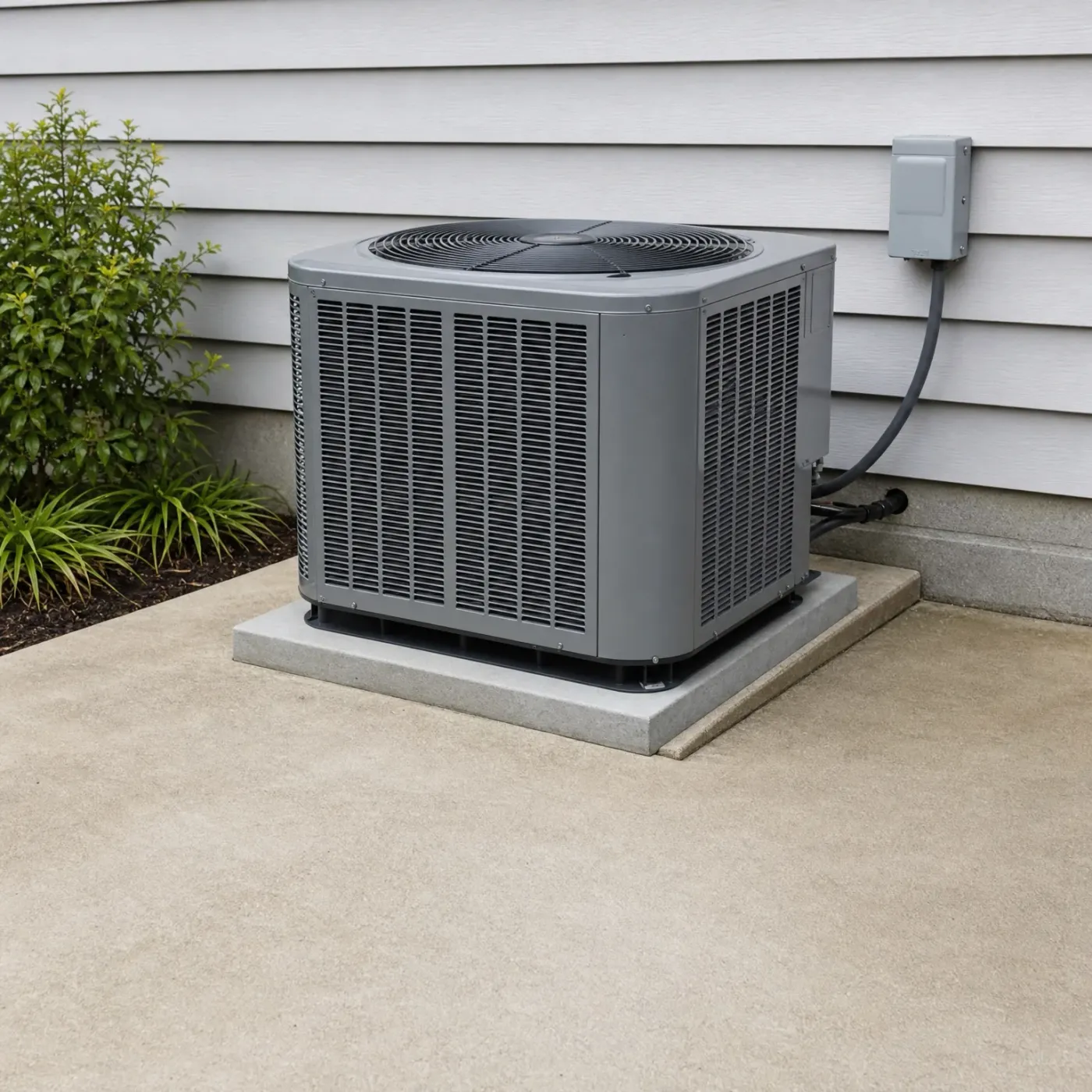
A gray outdoor air conditioner condenser unit on a concrete pad beside a house with horizontal lap siding, with a wall-mounted disconnect box and conduit at left and a green shrub and mulch bed at right.
A properly sized system that keeps up with both heat and moisture holds a steady indoor humidity without short cycling.
An outdoor air conditioner condenser unit on a concrete pad beside a house with horizontal lap siding, with a conduit running to a gray electrical disconnect box on the wall.
An undersized or aging system runs constantly but can't keep pace, leaving the house cold and still damp at the same time.

A whole-home dehumidifier doesn't fight your AC, it works alongside it, usually tied into the ductwork near the furnace or air handler. Moist air gets pulled in, passed over a cold coil where the water condenses out and drains away through a tube to a floor drain or condensate pump, and the drier air goes back through the supply ducts. Some models have their own fan and run independent of the AC; others share the blower, pulling air through when the thermostat calls for it. A humidistat, usually mounted near the thermostat, keeps it running only when the air actually needs it, often set to hold indoor humidity around 50%. That's different from the small portable unit you empty by hand in the basement. It's sized to the square footage of the house, not a single room, and it keeps working even on the mild, overcast days when your AC barely runs but the air outside is still heavy with moisture.

A gray-haired bearded man in a dark coat and scarf dusted with snow stands smiling in a dimly lit entryway with a white front door, a side table with a lit lamp, an oval mirror, and a patterned rug.
An older bearded man in a dark snow-dusted coat and gray scarf stands just inside a dimly lit home entry, with a framed picture, lit table lamp, and an adjoining room with a fireplace behind him, and snow visible through the open door.
A gray-haired, bearded man in a dark snow-dusted coat stands smiling in a dimly lit entry hall with a staircase, a lit table lamp, a framed picture, and a living room visible through a doorway.
An older man with gray hair and a beard, wearing a dark jacket dusted with snow, stands smiling in a dimly lit hallway with lamps and a living room visible behind him.

An AC's compressor is sized to pull indoor temperature down to the setpoint, not to pull a set amount of moisture out of the air it passes over.

A dehumidifier tied into that same ductwork is sized for moisture removal specifically, often rated by pints per day, so the two machines split the job instead of one trying to do both.

Power costs 17.67 cents per kilowatt-hour statewide

At 17.67 cents per kilowatt-hour, running your AC harder to chase down humidity costs more here than in most states. An AC that short cycles because it's fighting moisture instead of temperature racks up runtime without actually drying the house out. A dehumidifier sized for the job does that work for less.

EIA-861 2025 statewide residential average

  1. A humidistat in the ductwork reads moisture in the air stream.

  2. Above the setpoint, the dehumidifier's blower pulls air through a duct connection.

  3. Air passes over a cold coil, and water condenses on it.

  4. Condensed water drains out through a tube, usually to a floor drain or pump.

An outdoor air conditioning condenser unit on a concrete pad beside a house with horizontal siding and a concrete foundation, with dry brown leaves on the ground to either side.
Before you get your air conditioner installation
A gray outdoor air conditioning condenser unit on a concrete pad beside a house with horizontal lap siding, with a wall-mounted disconnect box and conduit, and shrubs to the left.
After you get your air conditioner installation

Call an AC contractor only

You get the AC sized and installed, but if the house still feels damp in July, that's a separate call, a separate contractor, and a separate wait to sort out.

Answer a few questions

Get matched for both at once

A contractor who handles AC and whole-home dehumidifiers looks at your house once and sizes both together, so you're not calling around twice for the same problem.

Answer a few questions
A woman wrapped in a thick beige fleece blanket sits on a sofa with an open book on her lap, beside a lit table lamp, with a frost-covered window behind her.
A gray-haired woman in a cream knit sweater stands in a dimly lit kitchen at night, looking to her right, with a round loaf of bread in the foreground and a dark window and potted plant behind her.

Where That Leaves You

  • Central AC in Illinois cools the air but doesn't remove enough moisture to stop that sticky, damp feeling.
  • A whole-home dehumidifier tied into your ductwork handles moisture as its own job, sized by pints per day instead of degrees.
  • Running AC alone to chase humidity means more short cycling and a higher bill at Illinois's 17.67 cents per kilowatt-hour rate.
  • Damp air left unchecked works on wood floors, trim, and basement walls long after the thermostat says the house is cool enough.
  • Getting matched with a contractor who handles both AC and dehumidifier installation means one call instead of sorting out a second problem later.
  • Comparing quotes and explaining the same damp-house situation to multiple contractors is work you can skip by getting matched once.

Central AC in Illinois was built to cool, and it does that job. Moisture is a different job, and that's where a house can meet its limit even with the thermostat holding steady. If your floors feel sticky in July or the basement carries that musty smell no matter how low you set the temperature, the air conditioner isn't failing. It's just not built to do what a dehumidifier does.

A whole-home dehumidifier tied into your ductwork takes that second job on directly, measured in pints removed per day instead of degrees dropped. Paired with AC sized right for your house, you get a system working on two problems instead of one unit straining to cover both. That matters here, where summer dew points push past 63 and electricity runs 17.67 cents a kilowatt-hour. An AC fighting humidity on its own runs longer and still leaves the air feeling heavy.

Left alone, that moisture doesn't stay put. It works into wood floors and trim, feeds mold in the basement, and shows up again next July no matter what the thermostat says.

You don't have to sort this out by calling around to different contractors, explaining the same damp-house problem twice, and comparing quotes on your own. Getting matched once covers both the AC and the dehumidifier, with a contractor who already understands what you're dealing with before they walk in the door.

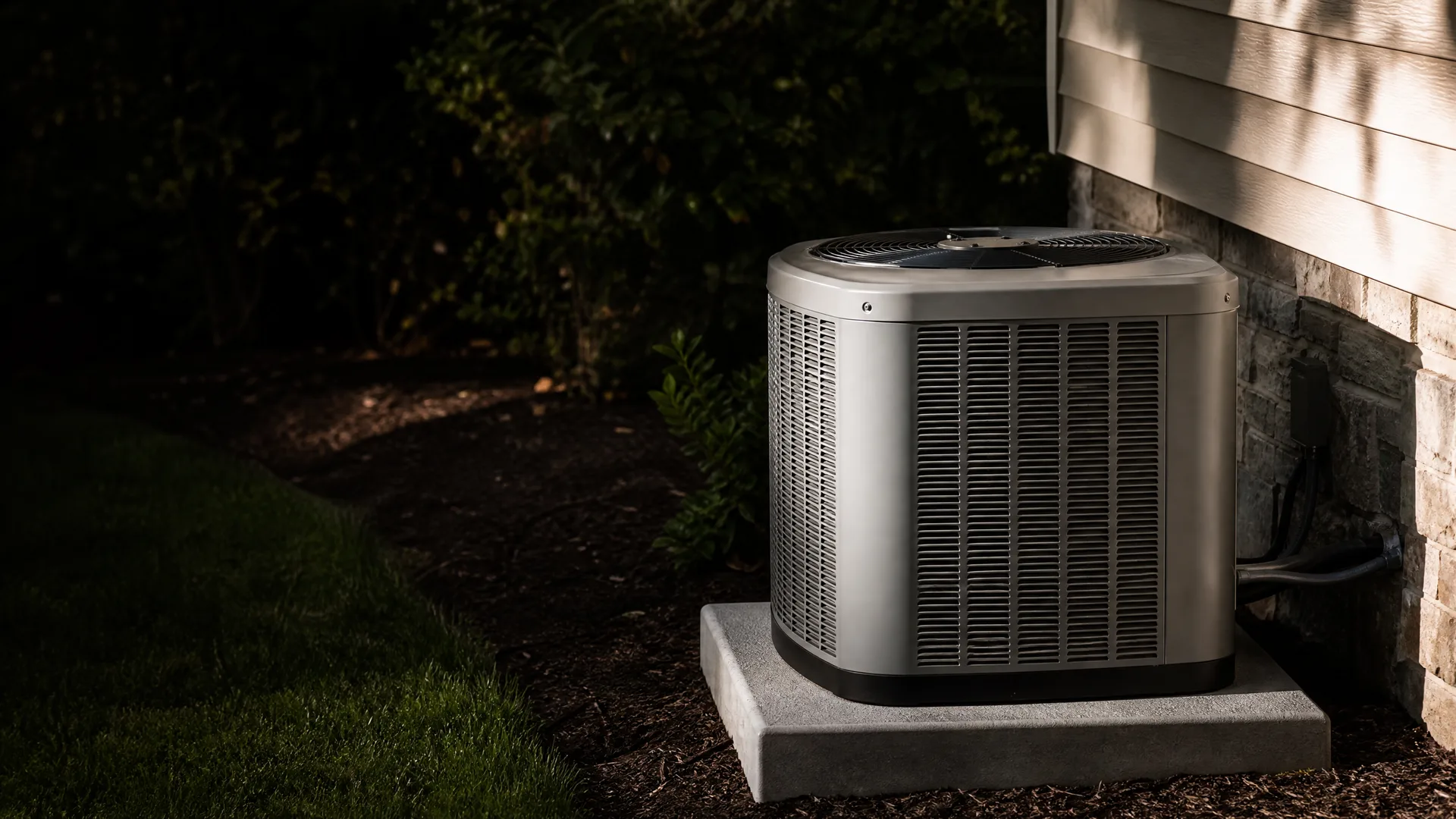
An outdoor air conditioner condenser unit sits on a concrete pad beside a house with horizontal siding and stone veneer, next to mulch, shrubs, and grass.

Matched to your air conditioner job

Step 1 of 3: Equipment