

Profile view of a bearded man wearing a black baseball cap and a dark gray T-shirt against a plain light background.

How long an AC should run on a hot Illinois day

Step 1 of 3: Equipment

On a hot Illinois day, your AC should run almost all the time, cycling off for only short stretches rather than shutting down for long periods. When it's 90 degrees and humid outside, the system is fighting both heat and the moisture that Illinois summers pack into the air, so it has more work to do per hour than it does on a mild day. A unit that's sized and running right might still go most of an afternoon without a real break. What matters more than the running itself is whether your house is actually cooling down and whether the system ever gets a rest overnight. If it runs constantly and the house still feels warm, or it short cycles on and off every few minutes, something is working against it, like a dirty filter, a low refrigerant charge, or a coil that hasn't been cleaned. Regular maintenance is what keeps a long run time normal instead of a sign of trouble.

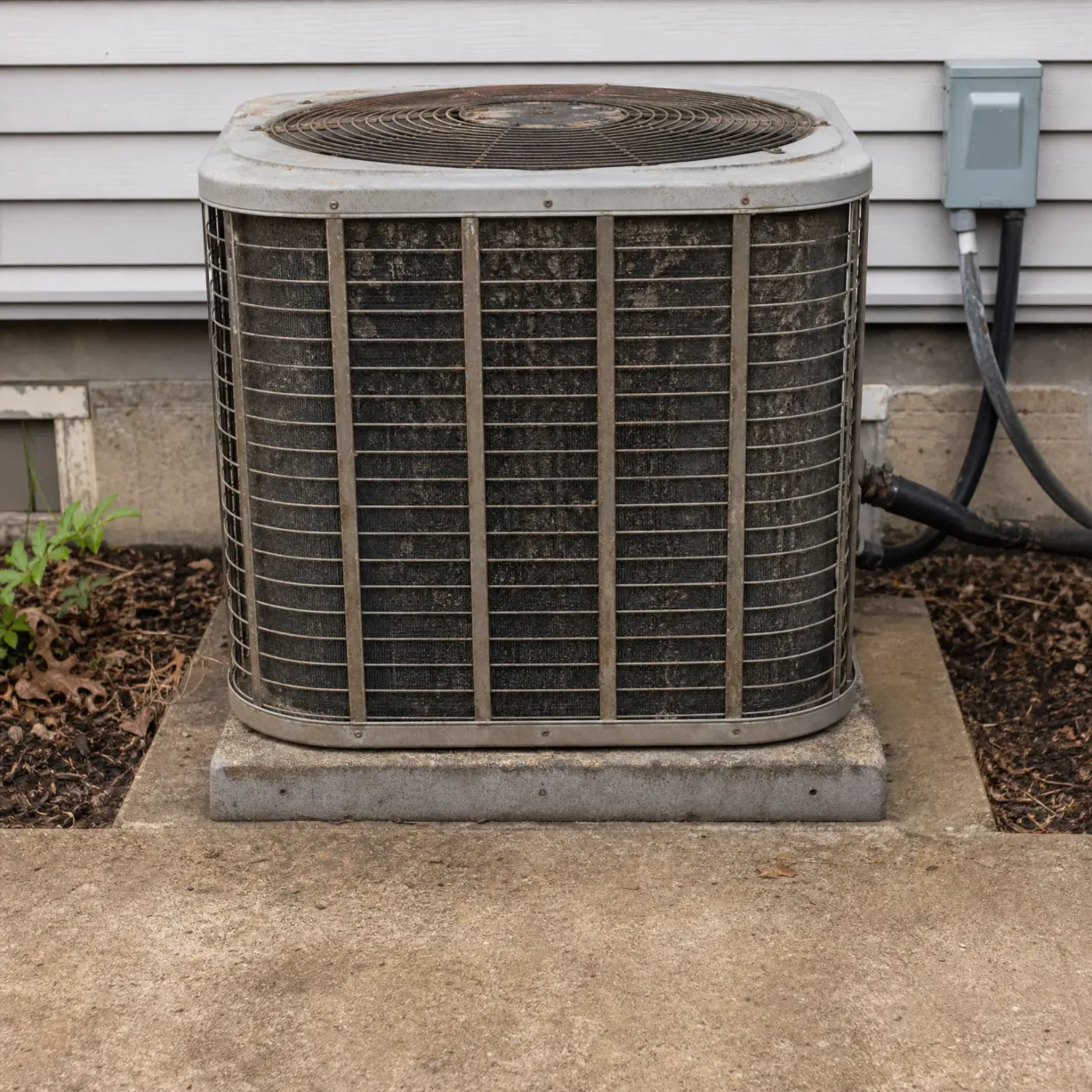
A weathered outdoor air conditioning condenser unit on a concrete pad beside a house with light horizontal siding, an electrical disconnect box and conduit on the wall, and mulched soil on either side.
Before you get your air conditioner maintenance
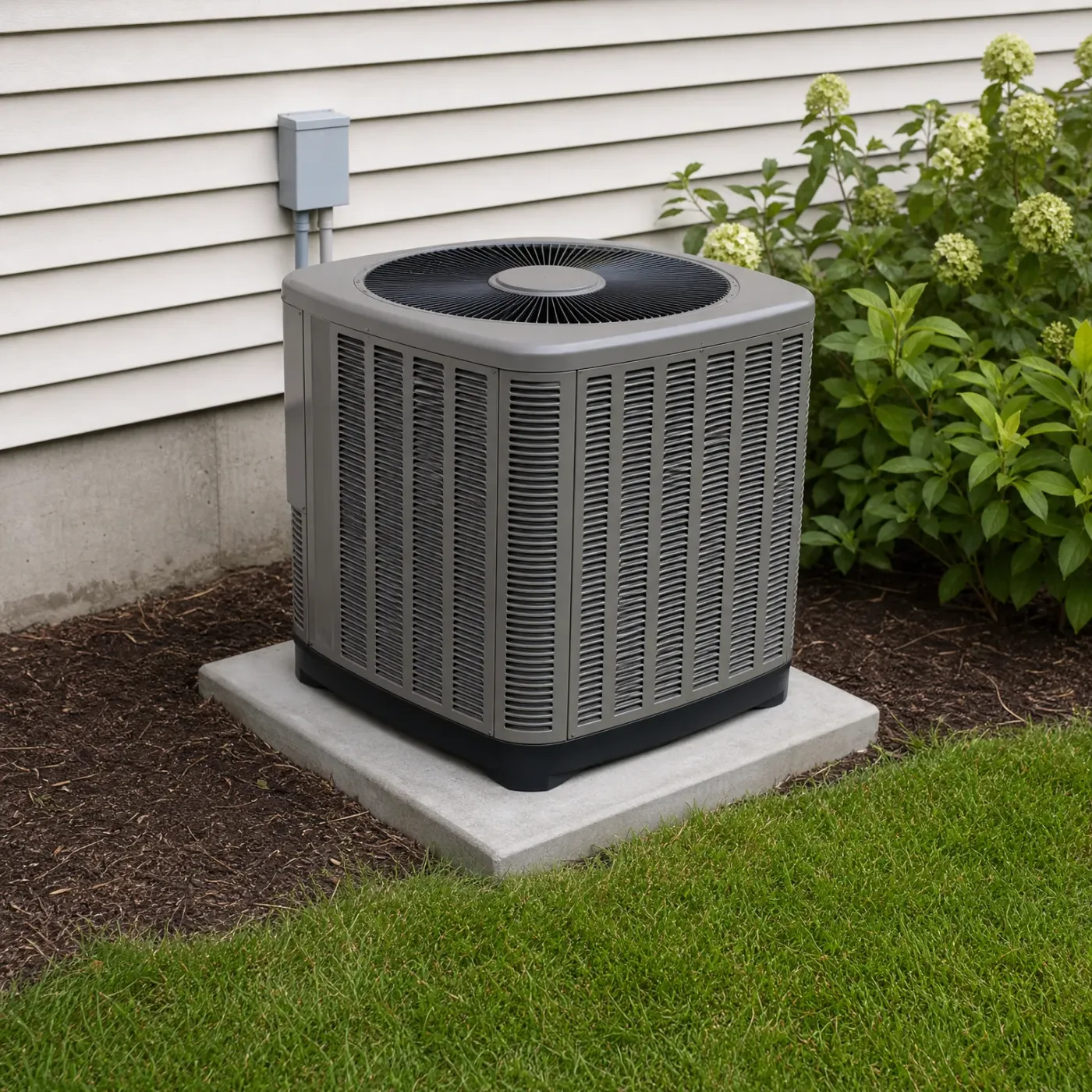
A gray outdoor air conditioner condenser unit on a concrete pad beside a house with horizontal vinyl siding, surrounded by mulch, flowering shrubs, and lawn.
After you get your air conditioner maintenance

What long run times are doing

A central air conditioner moves heat out of your house. It does not make cold air out of nothing. On a 90 degree day with high humidity, the unit has to pull more heat out per hour just to hold the house steady, and it has to wring the moisture out of the air at the same time. That second job is why the blower can run long after the temperature on the thermostat looks satisfied. The compressor is the part doing the heavy work, and the longer it runs continuously, the harder it is leaning on the refrigerant charge, the coil, and the capacitor that keeps it starting reliably.

Why a dirty system runs longer

A system working as it should will still run nearly nonstop on a day like that, but it should be cooling the house while it does. If the coil is coated in dust or the filter is clogged, airflow drops, and the unit runs the same long stretches without pulling the house down to temperature. That's a sign something inside is working against it rather than with it. A contractor checking refrigerant charge, the coil, and electrical connections during maintenance is checking the parts that determine whether those long run times on a hot day are doing their job or just spinning.

A woman with dark hair in a bun reclines on a sofa with her eyes closed, wrapped in a cream fleece blanket, a closed blue hardcover book resting in front of her, with a lit lamp and a vase of dried flowers in the background.
A smiling bearded man in a navy sweater sits at a candlelit dinner table with a glass of red wine, a bowl of salad, and plates of food in the foreground.

Long Run Time: Working or Struggling

Running long but cooling fine

  • The house holds steady at the temperature you set, even at 5 PM when the sun has been on the roof all day.
  • You feel cool air coming out of every vent, not just the ones near the thermostat.
  • The air inside feels dry, not clammy, even though the unit almost never shuts off.
  • Your electric bill went up from last month, but not by a jump that makes you check the meter twice.
  • The outdoor unit cycles off for short stretches overnight when it's cooler, instead of running nonstop around the clock.

Running long and losing ground

  • The house is still a few degrees warmer than the thermostat setting by the end of the afternoon.
  • Some rooms feel noticeably warmer than others, especially upstairs or rooms on the sunny side of the house.
  • The air feels damp or sticky even with the system running, which means it's not pulling out the humidity it should.
  • The outdoor unit runs constantly with no cycling off at all, even at night when it's cooler outside.
  • Ice has shown up on the refrigerant line or the indoor coil, which means the system is struggling, not working harder.
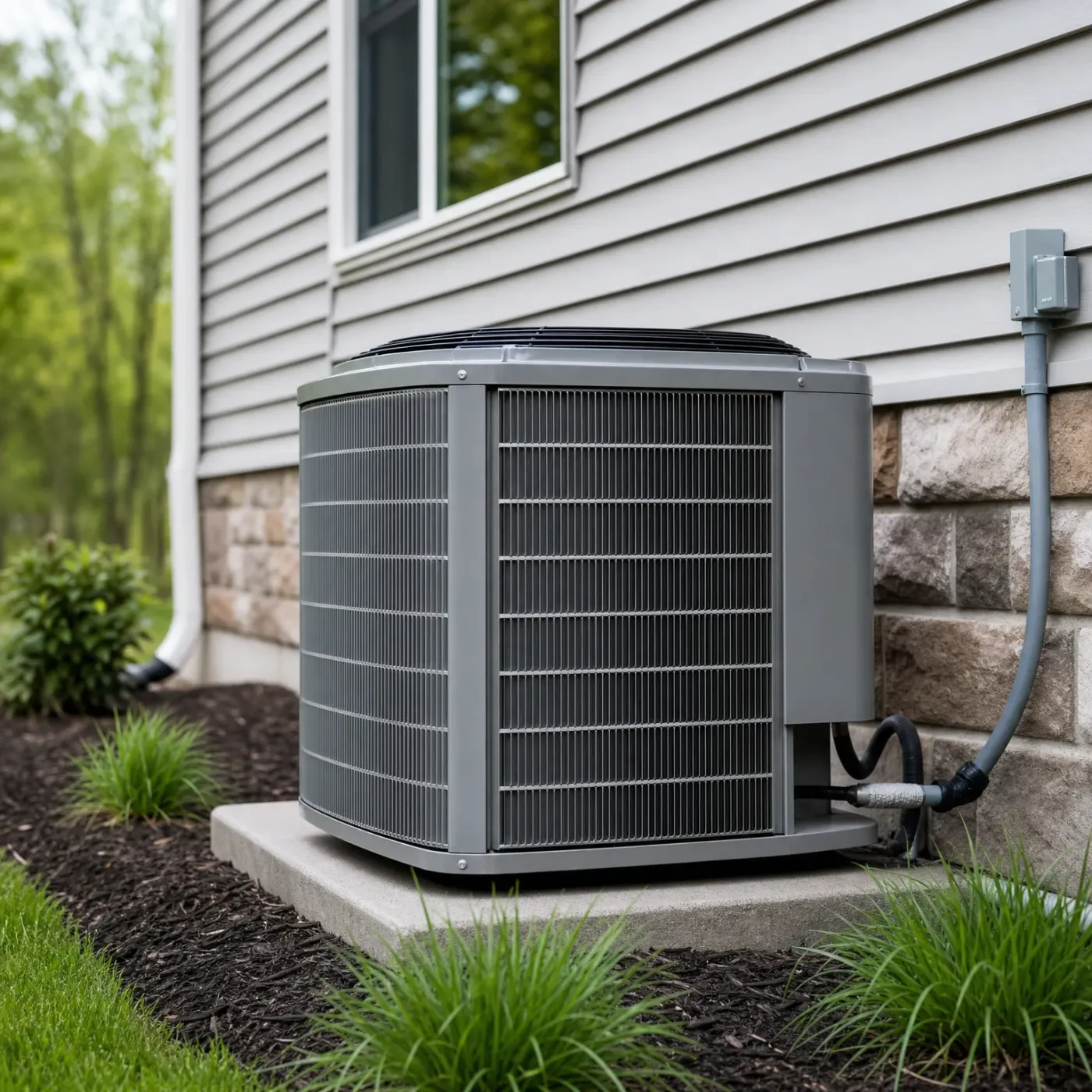
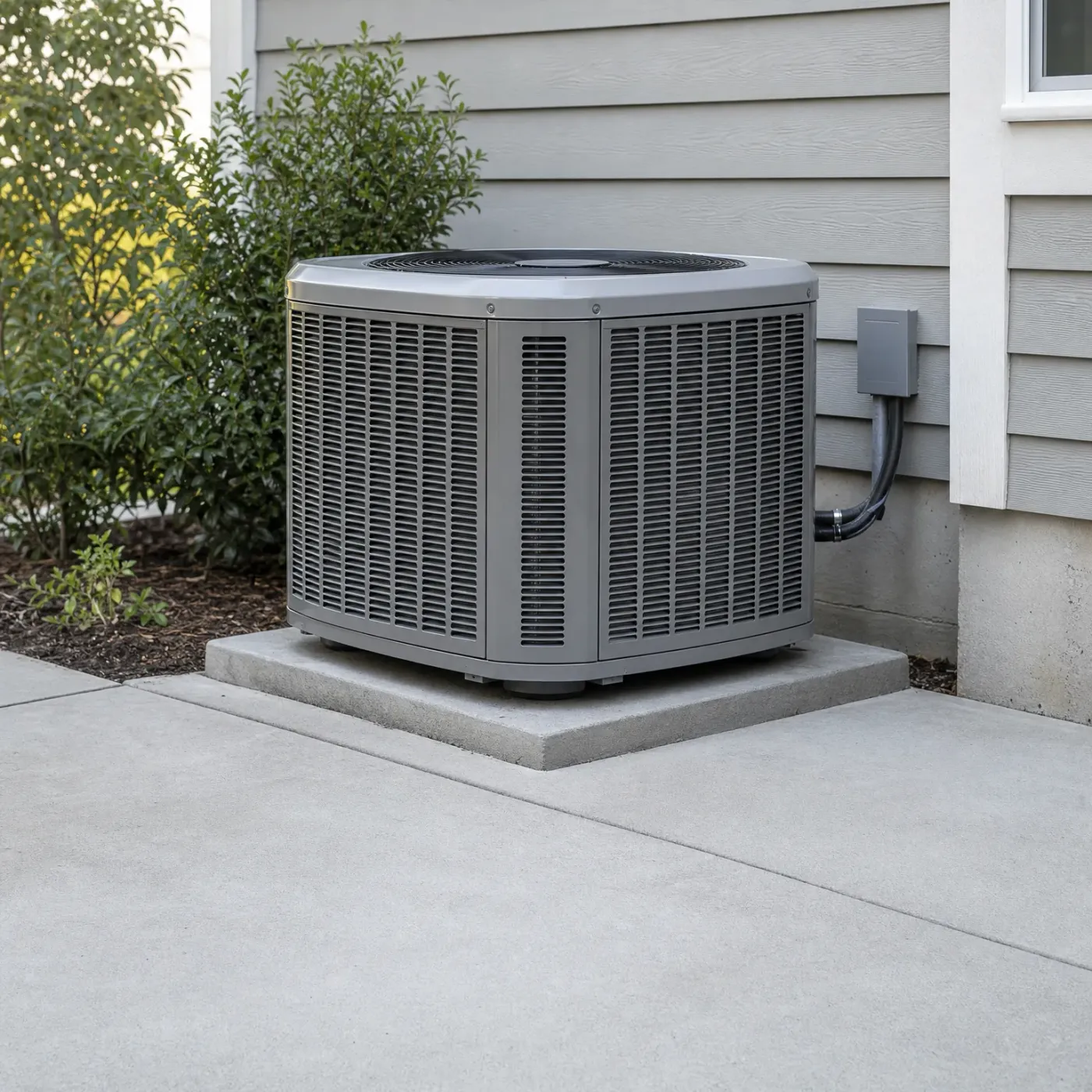
A gray outdoor air conditioner condenser unit on a concrete pad beside a house with horizontal lap siding, with a wall-mounted disconnect box and conduit to its right and shrubs to the left.

Running long, keeping up

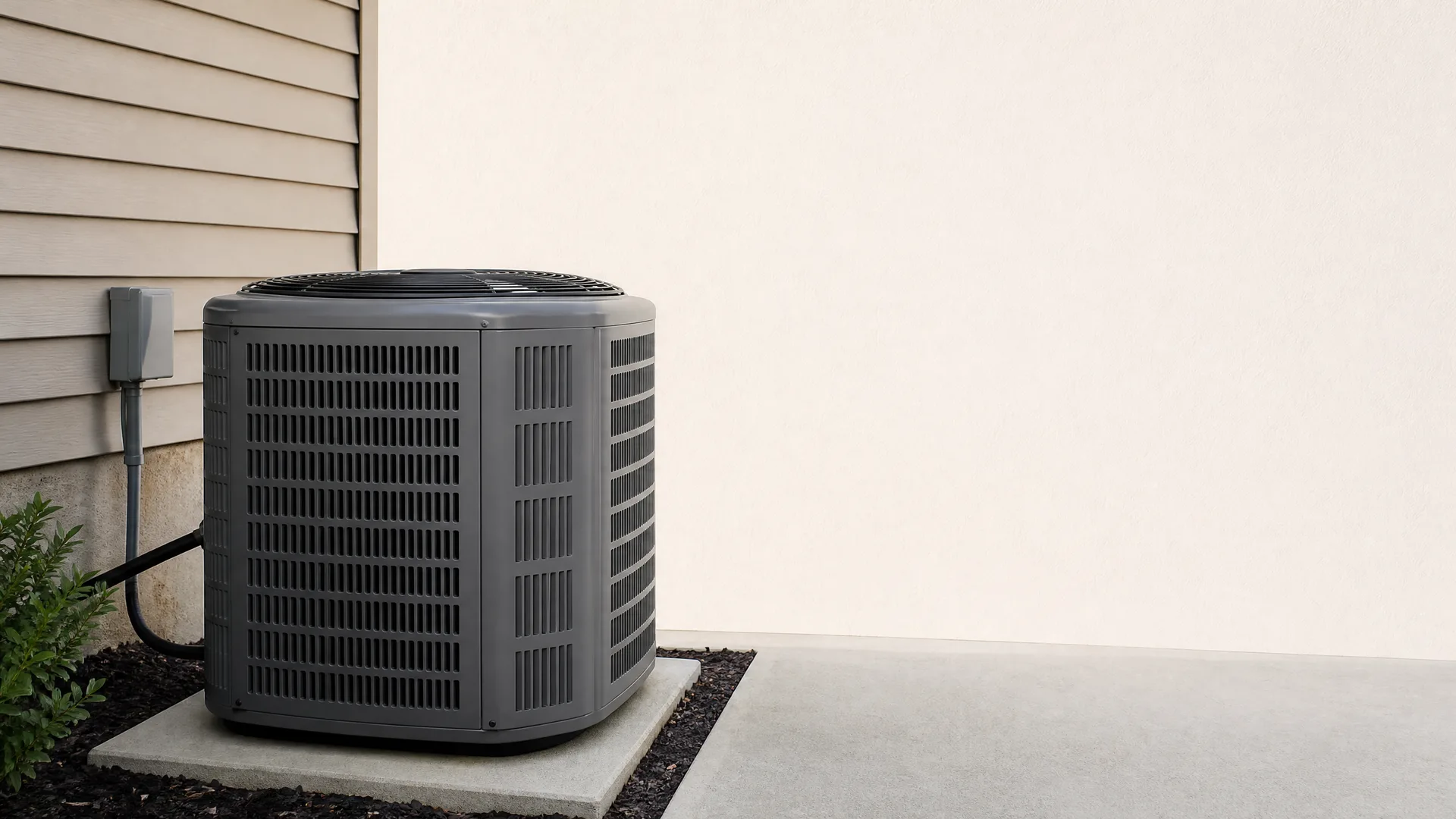
This unit cycles on in the morning and mostly stays on through the afternoon. The coil guard is clean, the pad is level, and the disconnect box and conduit are intact. It's working hard, but it's working the way it should on a day like this.
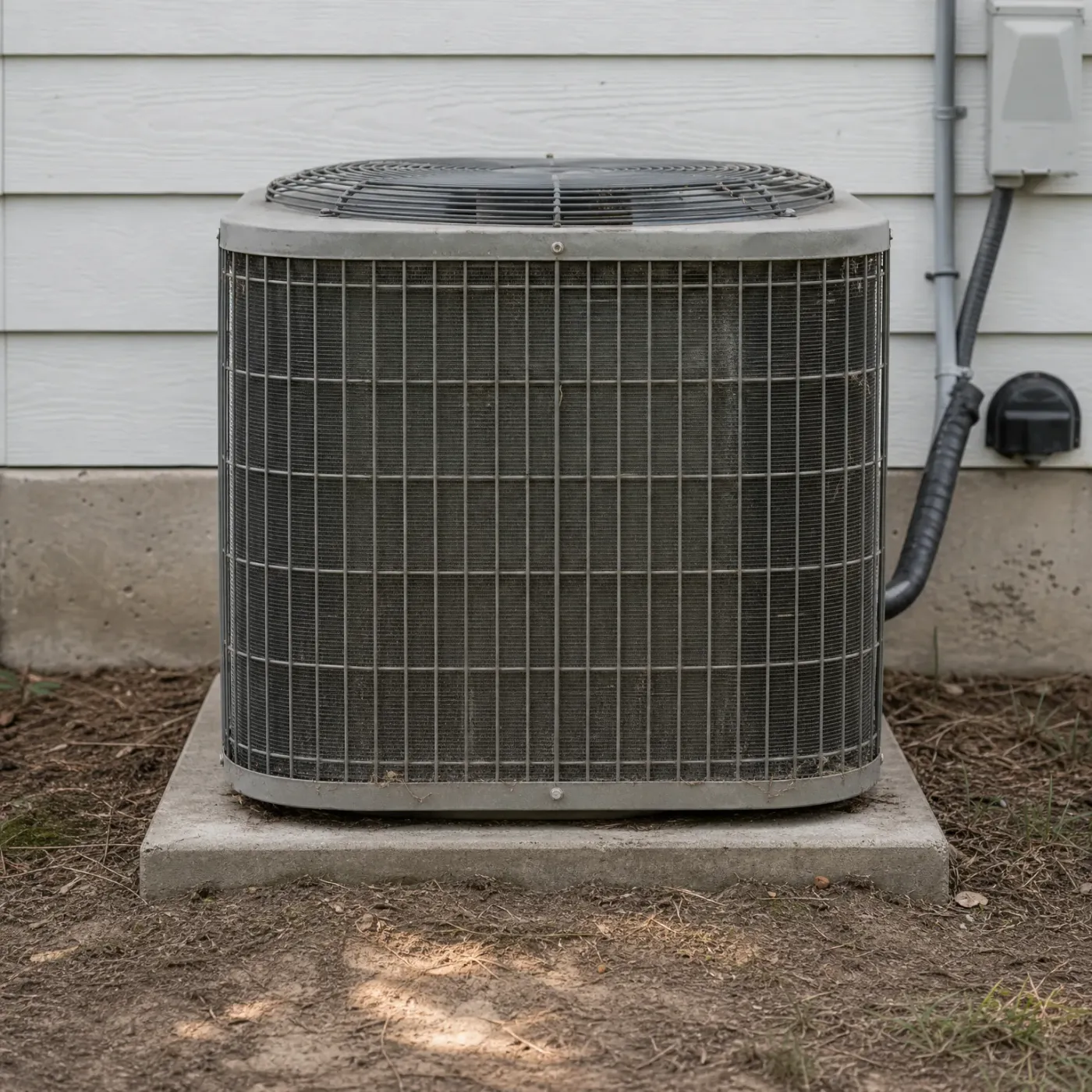

An outdoor air conditioning condenser unit on a concrete pad beside a house with horizontal lap siding, with a conduit and electrical disconnect box on the wall at right.

Running long, falling behind

Dirt has built up on the coil guard, and that film blocks the airflow the unit needs to dump heat outside. It runs just as long as the one above, maybe longer, but the house never quite catches up. A maintenance visit clears the coil and checks what else is slowing it down.

A smiling man in a dark navy sweater sits on a light sofa in a living room, with a glass bowl of popcorn on a wooden coffee table and bookshelves behind him.
A smiling man in a dark green sweater sits on a tan leather sofa in a dimly lit living room, with a bowl of popcorn in the foreground and a kitchen area blurred behind him.
A smiling middle-aged man in a dark shirt sits on a gray sofa in a living room, with a bowl of popcorn on a side table and shelves, a window and kitchen area behind him.
A smiling bearded man in a dark gray t-shirt sits on a gray couch in a living room, with a large glass bowl of popcorn on a wooden table in the foreground.
A gray outdoor air conditioner condenser unit on a concrete pad beside a house with horizontal siding and a stone veneer foundation, surrounded by mulch, ornamental grasses, and shrubs, with a conduit and disconnect box on the wall.

Send one request and you're done looking

Answer a few questions instead of calling shop after shop.

After you send the request, you're done searching.

Hand off the search

It costs nothing to send, and you don't have to hire anyone.

Is your AC running longer than it used to?

Walk through the house in the afternoon. Some rooms feel right and the one at the far end of the hall still feels warm, even with the unit running since noon. You notice the outdoor unit never seems to shut off anymore, not even at 7 PM when the sun's off the house. The electric bill has crept up and you've started closing doors to rooms you don't use, just to keep the air where you sit. None of that means the unit is failing today. It means it's spending more to do the same job, and a system that runs that hard all summer wears parts faster than one that cycles the way it should.

A gray outdoor air conditioner condenser unit on a concrete pad beside a house with horizontal siding and a light stucco wall, with a disconnect box and refrigerant lines on the wall and a shrub and mulch bed at left.

A long run that still falls short

Some days the unit runs from 10 in the morning straight through dinner and the house still sits at 78 instead of 72. That gap between the long run time and the room still feeling warm is the sign to pay attention to. A system that runs hard and holds the temperature is doing its job. One that runs just as hard and loses ground is working against something inside the cabinet or the ducts, not just the weather outside.

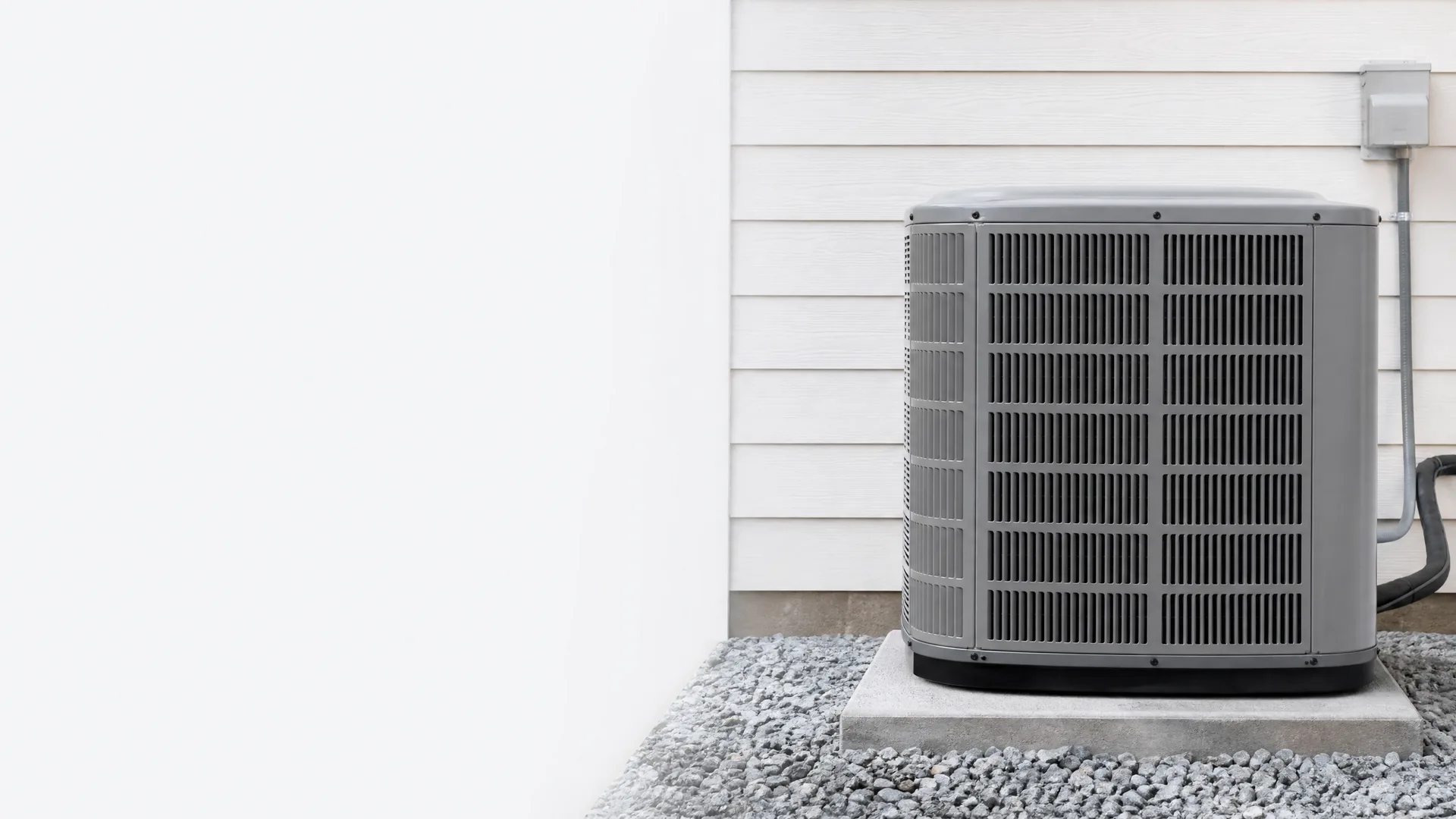
A gray outdoor air conditioning condenser unit on a concrete pad surrounded by gravel, next to a white horizontal-lap-sided house wall with an electrical box and conduit, against a blank white background on the left.

What a tune-up checks for

Maintenance on a central air conditioner means checking the refrigerant charge, cleaning the outdoor coil, and making sure the blower and ducts are moving the air the system is cooling. A dirty coil or a low charge makes the compressor run longer to do the same job, and on a 95 degree Illinois afternoon that shows up fast. A contractor can tell you within a visit whether the long run time is the heat outside or something the unit is fighting on its own.

Power costs 17.67 cents per kilowatt-hour statewide

At that rate, a central air conditioner running long hours on a hot day shows up on the bill fast. A unit working harder than it should to hold the house at 72 costs more every month it runs that way, which is what makes a tune-up worth the call.

EIA-861 2025 statewide residential average

What a hot day should look like

  • Long run times on a 90 degree day are normal; your AC is sized to run nearly nonstop and still hold the house at 72.
  • The problem isn't that it runs long, it's running long and still losing ground, or costing more than it should to keep up.
  • A unit that cycles off for short stretches and keeps every room even is doing its job, even on the stickiest afternoon.
  • A unit running since morning that still leaves the house at 78 is telling you something needs a look before the next heat wave.
  • Instead of searching for a contractor, calling around, and explaining the same problem to each one, you send one form and let someone else sort it out.
  • Once you know what normal looks like for your system, you can tell in a day or two whether this summer is one of them.

On a 90 degree day in Illinois, a long run time by itself does not mean anything is wrong. Your AC is sized to work nearly the whole afternoon and still hold the house at 72, cycling off only for short stretches before it kicks back on. What matters is whether the house is actually staying at the temperature you set while it does that. A unit that runs since morning and keeps every room even, with cool air at every vent and the humidity staying down, is doing exactly what it should on the stickiest day of the year. The one worth paying attention to is the unit that runs just as long, or longer, and still leaves the house at 78 instead of 72. That gap between how hard the system is working and how little ground it's gaining is the real sign, not the run time on its own. Once you've watched your system through one or two hot days, you'll know what normal looks like for your house, and you'll notice fast if this summer isn't matching it. If it isn't, the next step doesn't have to be searching for a contractor, calling a few, and explaining the same thing to each one before you can compare what they quote you. One form covers that, and someone else takes it from there.

A lit ceramic table lamp with a linen shade sits on a round wooden side table with a small vase of greenery and a dark shallow bowl, beside a beige upholstered sofa with a cushion and knit throw, below a framed artwork on a pale wall.
Corner of a beige linen sofa with a large woven cushion and a fringed knit throw, beside a potted leafy tree in a woven basket against a neutral wall.
Sunlit interior corner with a wood-framed armchair with beige cushions and a striped pillow, a leafy plant in a tall ceramic pot, a window with wood sill showing green foliage outside, and dark wood flooring.
A lit black path light beside a stone walkway leading to a dark front door of a white clapboard house, with shrubs and flowering plants in the bed at dusk.
A covered porch at dusk with a wooden front door, a lit lantern wall sconce on gray horizontal siding, a black rocking chair with a cream throw, a potted white flowering plant, a coir doormat, and a window showing a lit interior lamp.

Finding a pro stops being your job

Describe your air conditioner job once, to one pro.

Send my request

No charge to send it. You decide if you hire them.