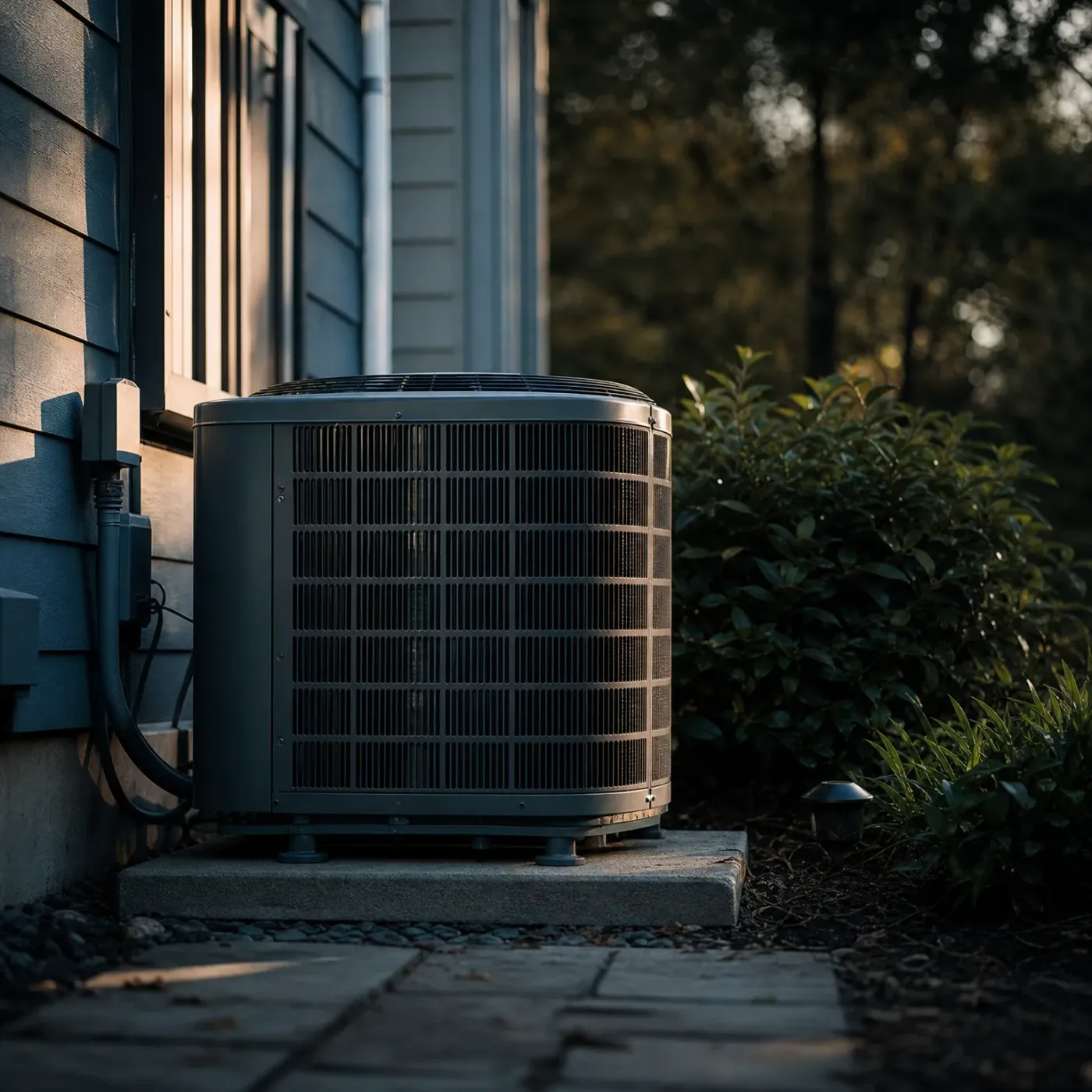
An outdoor air conditioning condenser unit on a concrete pad beside a house with horizontal siding, with an electrical disconnect box on the wall and shrubs to the right in low evening light.

A local pro for your air conditioner maintenance

How to lower your AC bill in an Illinois summer

Your electric bill climbs every summer once the AC starts running most days. What actually changes it comes down to a few things: how clean the coil and filter are, whether the charge is right, and how hard the unit has to work to keep up with Illinois humidity. This page gets into what drives the cost up and what a local contractor checks when they look at your system.

Get matched

The biggest lever on your summer electric bill is how hard the AC has to work, and that comes down to airflow and refrigerant charge. A dirty filter or a coil caked with dust makes the unit run longer to move the same amount of heat out of the house, and Illinois summers add humidity on top of that, so the system is also wringing moisture out of the air the whole time it runs. Low refrigerant charge does the same thing from a different angle: the unit keeps running because it can't move heat efficiently, not because the house actually needs more cooling. Neither problem announces itself. The house still cools down eventually, just slower and at a higher cost each month. A tune-up before the heat sets in catches both, a clean coil and filter plus a charge check, so the unit is working with the house instead of against it once July arrives.

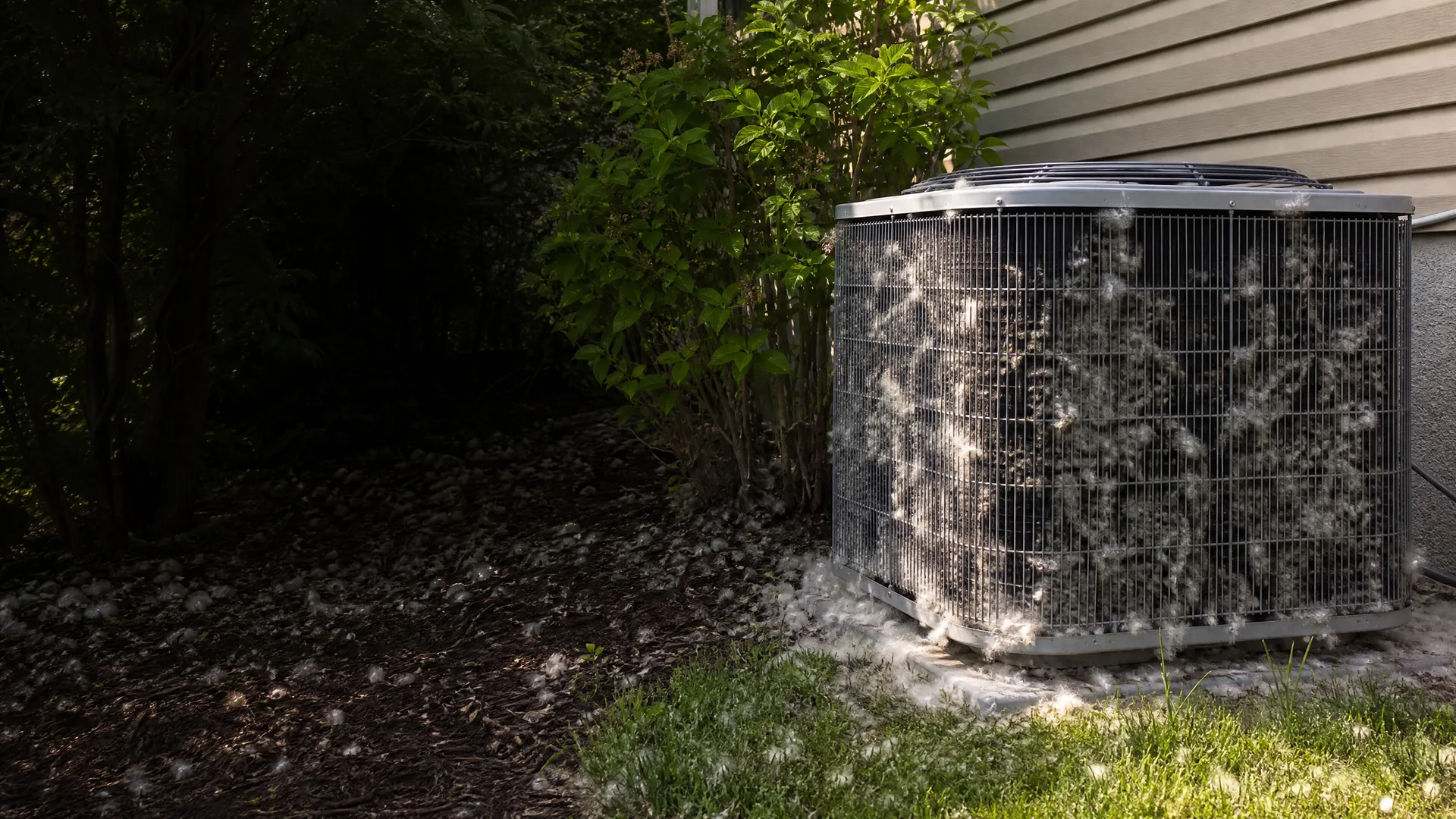
An outdoor air conditioner condenser unit beside a house with horizontal siding and stucco, its coil fins covered in white cottonwood fluff that also collects on the surrounding grass and mulch.

You're out pulling weeds along the side yard in late May when you notice it, the low hum of the condenser running steady even though it's barely 70 degrees out. You walk over and see why. The fins are packed white with cottonwood fluff, thick enough that you can't see the metal underneath. It's drifted in from the trees the way it does every year this time and settled right into the coil. The unit's still running, just working harder than it should to pull air through that. You brush a hand across it and the fluff comes away in clumps, but it's already down in the fins where a hand can't reach.
A man seen from behind raises his hand to wave at a woman standing in the open front doorway of a single-story house with gray shingle siding, white columns and a gabled porch entry.

What's actually happening inside the unit when it struggles

The condenser outside pulls heat out of the refrigerant and dumps it into the outdoor air, which is why the fins need open airflow to work at all. Inside, that same refrigerant runs through the evaporator coil and pulls heat out of the air moving through your ductwork. If the charge is low or the coil is dirty on either end, the system can't move as much heat per minute, so the compressor runs longer to hit the same temperature on the thermostat. A compressor that runs longer pulls more kilowatt-hours, plain and simple. That's the whole mechanism behind a bill that climbs even when the house doesn't feel any different.

A tech who works on central air all over Illinois every summer has seen this same pattern hundreds of times, cottonwood fluff on the fins in June, a slow refrigerant leak that shows up as weaker cooling by August. Matching you with one local contractor who already knows what tends to fail on these systems means they're not guessing when they get to your house, and you're not fielding calls from four different companies trying to win the job.

A gray upholstered sofa with a textured cushion sits beside a dark round side table holding a vase of green foliage, with a table lamp and sheer-curtained window behind.
  1. Refrigerant arrives at the outdoor coil as a hot, high-pressure gas.

  2. The condenser fan pulls outside air across the coil to cool it.

  3. Heat moves from the refrigerant into that outside air and leaves the coil as liquid.

  4. A metering device drops the pressure so the liquid can absorb heat again.

Is your AC running longer than it used to?

Walk through the house on a hot afternoon and pay attention to what you notice. The air coming out of the vents feels less cold than it did last July. Some rooms upstairs stay warm no matter how long the unit runs. You hear the condenser cycling on more often, and it stays on longer before it shuts off. Maybe the thermostat says 72 but the house doesn't feel like it. None of that is your imagination. A unit that has to work harder to hit the same temperature pulls more power to do it, and in Illinois, where the AC can run most days from May through September, that difference shows up fast on the bill. Left alone, the unit keeps straining, and strain on a compressor doesn't fix itself.

Single-story house with gray horizontal lap siding, dark shingled gable roof, a small covered front porch with a dark door, and windows, set behind a patchy green and brown lawn under a clear blue sky.

Illinois summer air carries a dew point that averages 63°F across June, July and August, a figure from NOAA climate records for the state. That's the kind of mugginess where the air already holds a lot of moisture before your AC does anything. Your AC isn't just cooling the house, it's wringing that moisture out of the air, and that's work on top of work. A system with a clean coil and the right charge handles it and still cycles off. One that's low on refrigerant or choked with dust on the coil runs long and still leaves the house feeling damp. If your afternoons stay sticky even with the AC on, that's the dew point talking, and it's worth having someone local who works on these systems all summer take a look before the worst of it hits.

NASA POWER T2MDEW county cells weighted by homes

Get the right pro for your air conditioner

A technician who checks the charge, cleans the coil, and tests the capacitor before August catches the small problems while they're still cheap to fix. Once the compressor starts pulling harder to make up for low refrigerant or restricted airflow, that shows up on your electric bill all summer, not just on the one afternoon something fails outright. The kind of contractor who services AC units around Illinois all season has seen what cottonwood fluff and years of dust do to a coil, and knows what a unit running on a weak charge sounds like before it quits. Getting someone out to look at your system now, before the hottest stretch of July, means whatever's making it work harder than it should gets caught while it's still a tune-up and not a breakdown. You already noticed the unit running longer than it used to. That's worth having someone local take a look at before the bill climbs any further.

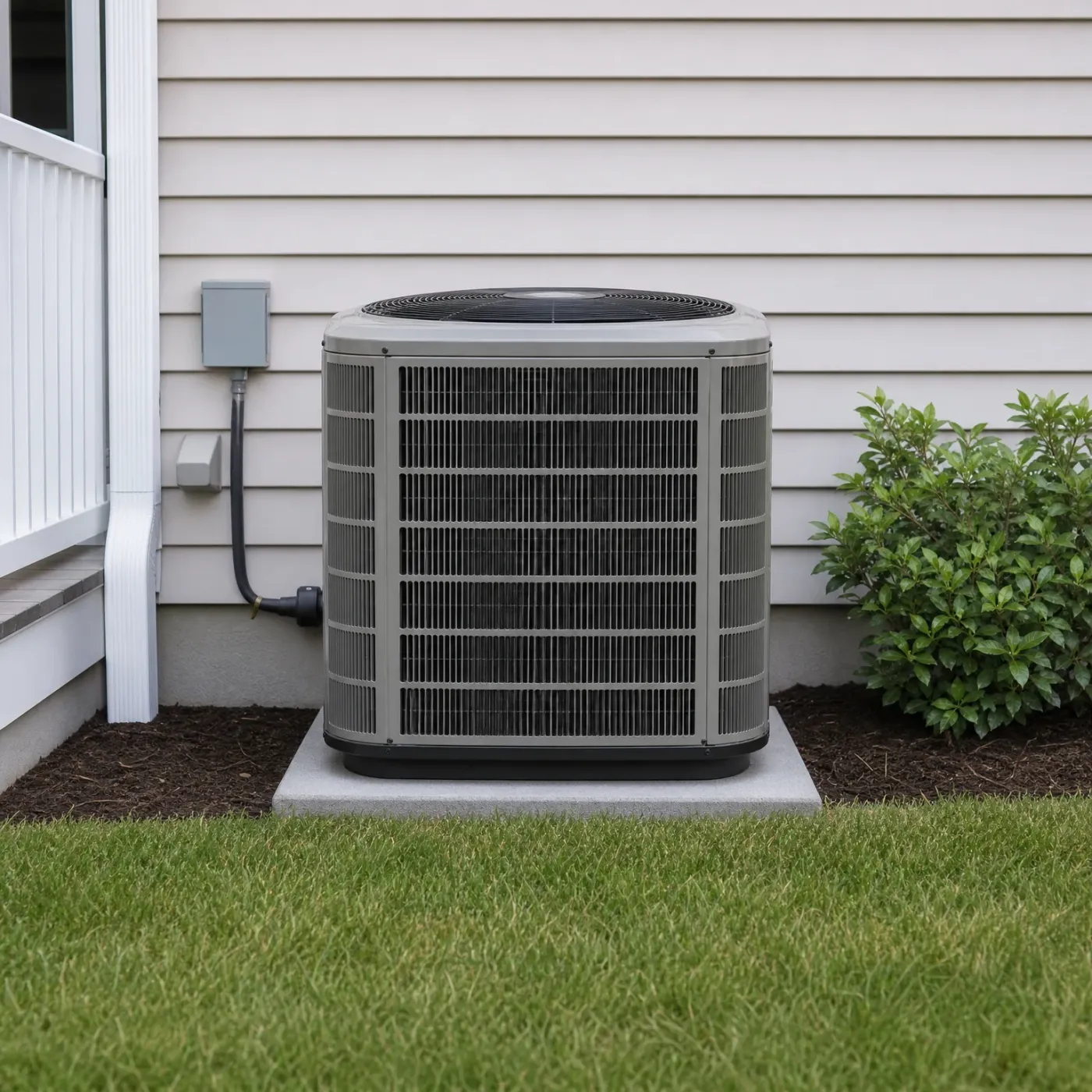
An outdoor air conditioning condenser unit on a concrete pad beside a house with horizontal lap siding, with a gray electrical disconnect box and conduit on the wall, mulch bed and shrub to the right, and mown grass in the foreground.
The coil is clear and the pad around it is clean, so the condenser can dump heat outside without a fight.
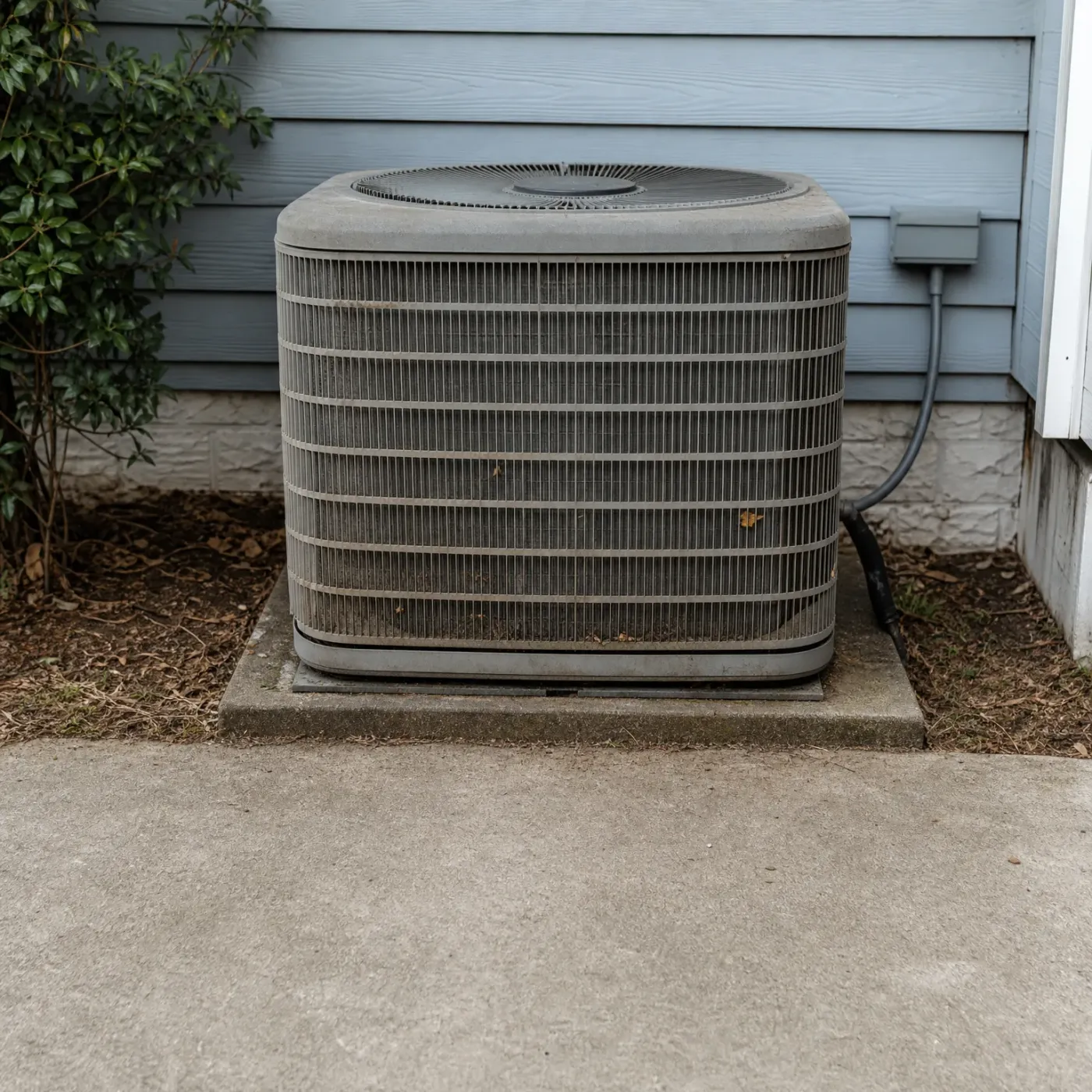
An outdoor air conditioning condenser unit on a concrete pad beside a house with light blue horizontal siding, with a shrub to the left and a conduit and disconnect box on the wall to the right.
Caked-on dust blocks the fins, and the unit has to run longer to move the same heat out of the house.

The compressor is what pulls the current, more than any other part in the system, so anything that makes it run longer or strain harder costs you directly. A capacitor losing its charge doesn't fail outright, it just makes the compressor work harder to start, and that shows up on the meter before you ever notice a service problem. The same goes for refrigerant running low. The unit doesn't just cool less, it runs longer to move the same heat out of the house, which is the real driver behind a climbing bill. The condenser fan plays into this too. If it's not moving enough air across the coil, the compressor has to pick up the slack. Even the thermostat matters here. Setting it back overnight to save a little feels right, but the catch-up run the next afternoon can cost more than just leaving it alone. And if static pressure in the ducts is too high, the blower motor pushing air through the house is working harder than it should to move the same amount of air.

Where the electricity actually goes

  • The compressor draws the most current of any part in the system, so every extra minute it runs shows up on the meter.
  • A capacitor that's starting to weaken makes the compressor pull harder on startup, and that strain shows up as higher draw before the unit ever fails outright.
  • Low refrigerant charge doesn't just cool less, it makes the compressor run longer to move the same amount of heat, which is what actually drives the bill up.
  • The condenser fan motor has to push enough outside air across the coil to shed heat, and a motor running slow or weak forces the compressor to compensate.
  • A thermostat set back a few degrees overnight still makes the unit catch up fast the next afternoon, which can cost more than leaving it steady.
  • Static pressure in the ducts, if it's too high, makes the blower motor work harder to push the same air through the house.
A woman with long gray hair wrapped in a checked blanket sits on a sofa by a window with yellow autumn foliage outside, with a lamp, framed picture and plant in the background.
An older woman in a cream knit sweater sits on a sofa by a window, looking out at sunlit trees with yellow and orange autumn leaves, with a bookshelf and lamp behind her.
A woman with gray shoulder-length hair in a dark knit sweater sits on a cushioned seat by a window, looking out at yellow autumn foliage, with a living room, armchair, houseplant and framed picture behind her.
An older woman with gray hair in a bun, wearing a cream knit sweater, sits on a sofa with a gray blanket and looks out a large window toward yellow-green autumn trees, with a lit table lamp and dark armchair behind her.

Does raising my thermostat a couple degrees actually save money?

You've heard the advice to bump the thermostat up a couple degrees and save on cooling. It sounds small, maybe not worth the discomfort. But you're trying to figure out if it's actually worth doing, or if the real savings come from somewhere else, like getting the unit serviced before the humidity sets in.

Yes, but it only helps if the unit can hold that setting without straining

Raising the thermostat from 72 to 74 means the compressor cycles on less often, so it draws current for fewer total minutes across the day. That's a real reduction, not a trick. But the savings shrink if the coil is dirty or the charge is low, because the unit already has to run longer than it should to hit any setting, even a higher one. A system working against a dirty coil at 74 can end up running close to as long as a clean one at 72. The thermostat change helps most when the equipment underneath it is actually working the way it's supposed to.

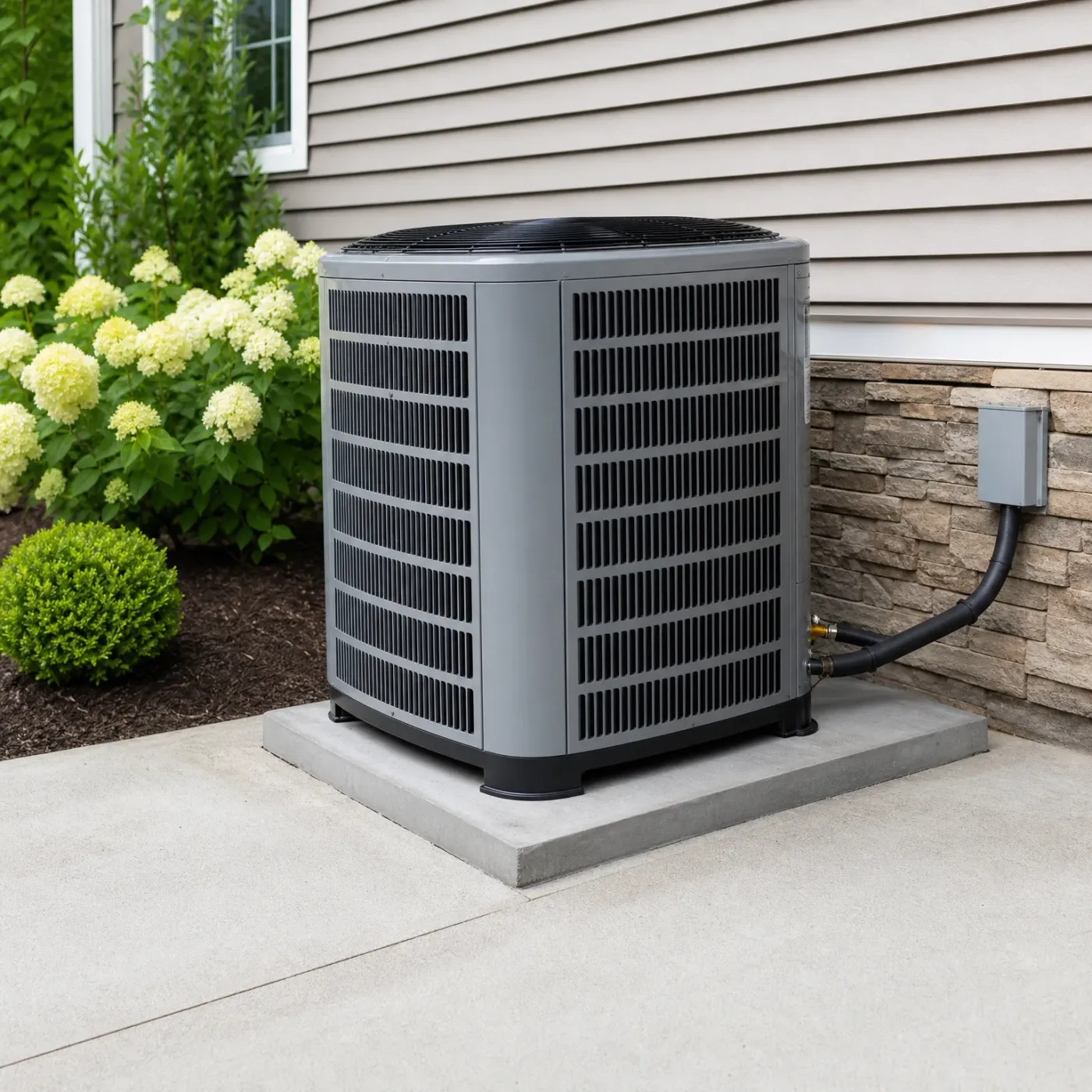
A gray outdoor air conditioning condenser unit on a concrete pad beside a house with horizontal siding and a stone veneer base, with refrigerant line and electrical disconnect box on the wall and flowering shrubs to the left.

Clean and clear

The pad is clean and the fins are open, so the condenser dumps heat outside without a fight. Refrigerant lines run straight to the wall, nothing blocking airflow around the unit. It cycles off once the house catches up instead of running straight through the afternoon.

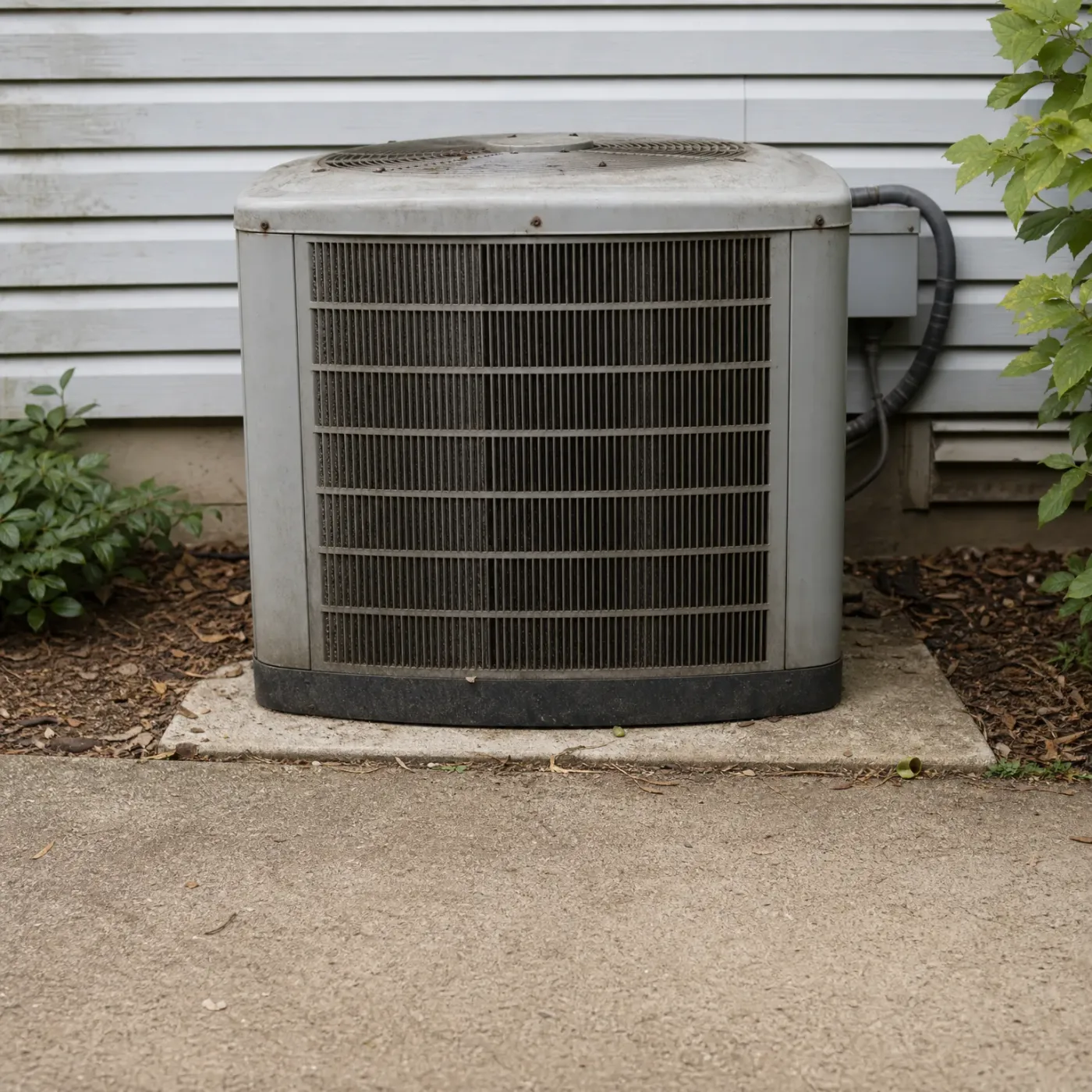
An outdoor air conditioner condenser unit on a concrete pad beside a house with light gray horizontal siding, with mulch and green shrubs on either side and a concrete walkway in the foreground.

Dirty and straining

Years of grime cake the fins and casing, and the unit has to work harder to move the same heat out of the house. Airflow drops, the compressor runs longer to keep up, and the lines still carry refrigerant into a system working against itself. By August that shows up on the electric bill.

Power costs 17.67 cents per kilowatt-hour statewide

At 17.67 cents per kilowatt-hour, every extra minute your compressor runs shows up on the bill fast. A unit that's clogged or low on charge might run twice as long to cool the same house, and at that rate the difference is real money by September.

EIA-861 2025 statewide residential average

What Keeps Your Bill Down

  • A clean coil and a correct refrigerant charge let your AC cool the house in less time, which is the whole game.
  • Illinois humidity means the unit is already working against moisture before it even starts lowering the temperature.
  • Cottonwood fluff and dust block airflow at the condenser, and a blocked condenser runs longer to move the same heat.
  • A weakening capacitor makes the compressor pull harder on startup, and that extra draw shows up on the meter before the part fails outright.
  • At 17.67 cents per kilowatt-hour, a unit running twice as long to keep up costs real money by the time September comes.
  • Catching a low charge or a failing capacitor before August keeps a small fix from turning into a bigger one mid-summer.

Your summer electric bill comes down to how long the compressor runs, and that's decided by two things: whether air moves freely through the coil and filter, and whether the refrigerant charge is right. Everything else in this comes back to those two.

Illinois summers don't make that job easier. The air is already thick with moisture by June, and the AC has to pull that moisture out before it can get the house down to temperature. A unit that's clean and correctly charged handles that in stride. One that isn't just runs longer, pulling more power the whole time, whether the slowdown comes from cottonwood fluff packed into the condenser fins or a capacitor that's starting to weaken under the load.

None of these show up on the bill right away. A capacitor under strain still starts the compressor, just harder than it should, and that shows up as higher draw before it shows up as a service call. A coil losing airflow still cools the house, just slower. The cost shows up gradually, in minutes added to every cycle, all summer, at 17.67 cents for every one of them.

That's the part worth catching early. A clogged coil or a weak capacitor found in May is a small fix. Left running through July and August, the same problem costs more to fix and more to run in the meantime. Where you stand on your bill this summer comes down to whether that gets checked before the heat sets in or after.

A woman in a cream knit sweater sits in an armchair with her eyes closed and a slight smile, beside an open window showing orange autumn foliage, with a mug, books and a lit candle on a small side table.
An older man with gray hair and a beard leans back on a beige sofa with his eyes closed, in a sunlit room with potted plants, a wicker chair and large windows behind him.

Air Conditioner Maintenance

A pro who works on air conditioners

The pro who reaches out is licensed in Illinois.

A black-framed smartphone standing upright against a plain white background, its screen filled with solid green.
Step 1 of 3: Equipment