
Why your AC outdoor fan isn't spinning in Illinois
Why isn't my AC's outdoor fan spinning?
It's one of those sticky Illinois afternoons and your AC is running inside, but when you go out to check the outdoor unit, the fan on top isn't turning. The compressor might be humming, or the whole unit might be silent. Either way, no fan means no heat is leaving your house, and on a humid day that condenser needs that airflow to do anything useful.
Usually a bad capacitor or motor, or a tripped breaker
Most of the time the fan motor itself has failed, or the capacitor that gives it the jolt to start spinning has gone weak. That part works hard all summer here, and heat wears it down faster than cold does. Sometimes the problem is simpler: a breaker tripped, or a disconnect near the unit got bumped or shut off. If the compressor is running but the fan isn't, heat has nowhere to go, and the system can overheat and shut itself down to protect the compressor. Either way, running the AC with a dead fan for long can turn a motor or capacitor repair into a compressor replacement, which costs a lot more with Illinois electric rates factored into a system that's already straining.
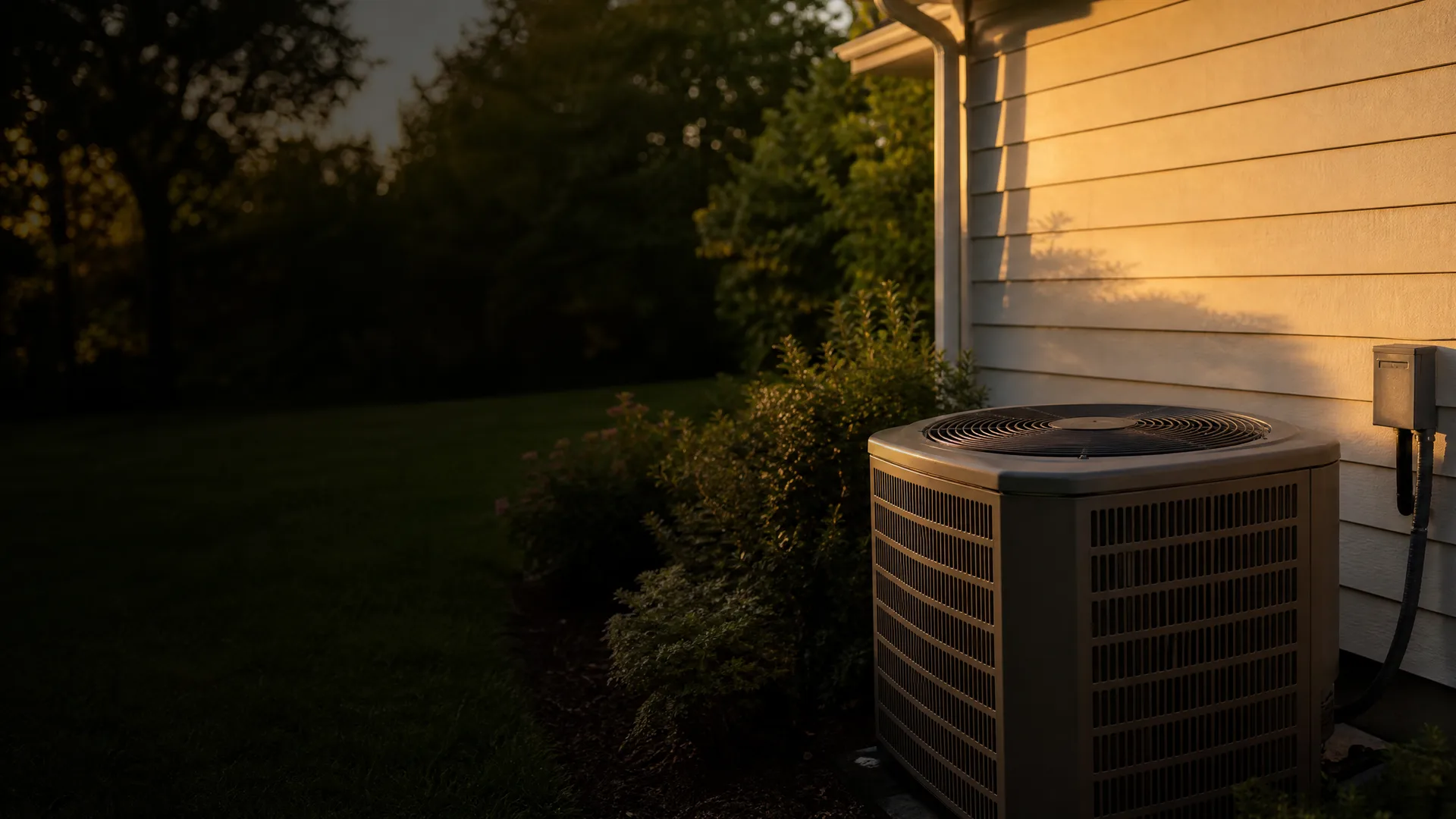
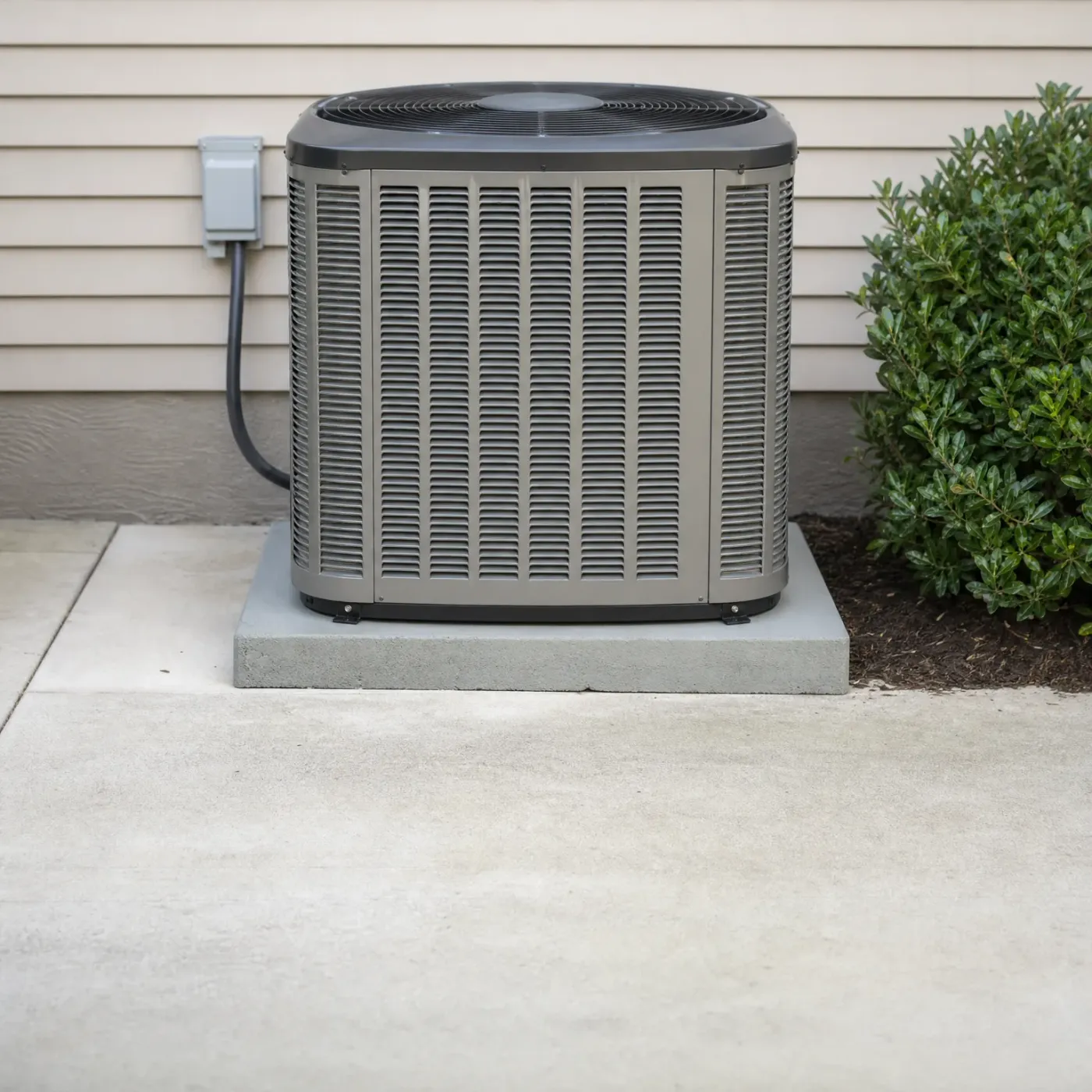
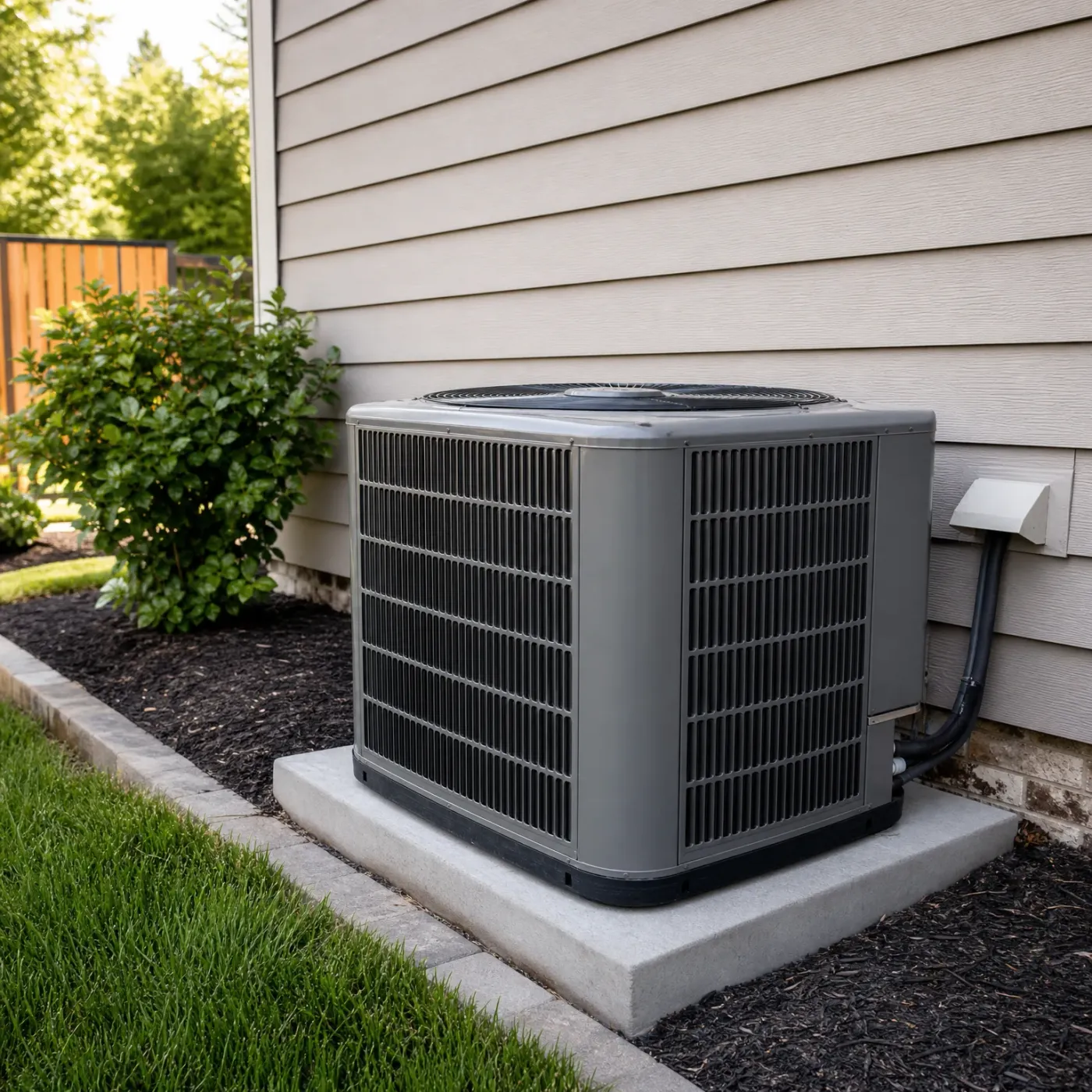
You're out back around seven, grilling while the cicadas start up. The air's still thick from the day's heat. You notice the condenser humming along the side of the house, but the fan on top isn't moving. No air coming off it. Inside, the vents are still blowing, but it's warmer than it should be for a house that's been running AC since noon. You walk over and put your hand near the top grille. Just warm metal and that low electrical hum, no breeze. The sun's dropping behind the fence line, throwing long light across the yard, and the unit just sits there working half as hard as it needs to.
Call Now or Risk the Compressor
Call Now
- A dead fan motor on a muggy July day means the compressor can overheat and shut itself down to protect the coil.
- Waiting even a day or two of Illinois heat can push a struggling compressor past what it can take.
- Finding a licensed contractor yourself means an evening of calls, explaining the same symptoms over and over, and comparing quotes before anyone even shows up.
- A local contractor who services this equipment all summer has likely seen this exact fan motor fail before and knows what to check first.
- Booking through this page sends your request to one contractor, not a handful of companies competing for the job.
- Gas heat keeps your winter bill separate from this repair, but a broken AC fan with electric rates here still runs up costs while it sits unfixed.
Wait It Out
- Running the system with a stalled fan risks tripping a high pressure switch or damaging the compressor further.
- A capacitor or motor that's already failing rarely fixes itself, and the unit can get worse overnight.
- Without a fan moving air across the coil, the compressor keeps working harder in the heat with nowhere for that heat to go.
- Putting it off means another night of sticky air inside while you decide who to call.
- Shopping around later still means explaining the same problem to a different contractor from scratch.
- A short delay might not matter, but a stuck fan motor rarely improves on its own once summer heat is involved.

Thermostat calls for cooling and sends power to the outdoor contactor.
The contactor closes, feeding power to both the compressor and the fan motor.
The capacitor gives the fan motor its starting jolt to spin up.
A weak capacitor lets the compressor start but leaves the fan motor stalled.




The outdoor fan and the compressor don't always fail together, and that matters for what's actually wrong. The fan motor runs off its own capacitor, and on a lot of units that capacitor is wired as a dual, serving both the fan and the compressor from one part. When it goes, both can stop at once, or just one, depending on which side failed. The fan motor itself can also die on its own, usually at the bearing, where the shaft seizes and the blade won't turn even though the motor is getting power and trying to spin. Sometimes the problem isn't electrical at all. A plastic bag or a mat of leaves wrapped around the blade will stall it the same way a bad motor would. And sometimes the fan is the one shut down on purpose, cut by a tripped high-pressure switch or a blown low-voltage fuse on the control board, while the compressor keeps running next to it. Same symptom from the yard, different repair depending on which it is.
What Stops the Fan Alone
- The fan motor has its own capacitor and sometimes its own run winding, separate from the compressor's.
- A failed fan motor bearing can seize the shaft so the blade won't turn even with power reaching the motor.
- Some outdoor units use a dual capacitor that feeds both the compressor and the fan, so one bad part stops both.
- A tripped high-pressure switch can cut power to the fan motor alone while the compressor keeps running.
- Debris like a plastic bag or leaves wrapped around the fan blade can jam it even when the motor still has power.
- A blown low-voltage fuse on the control board can stop the signal that tells the outdoor contactor to energize the fan circuit.
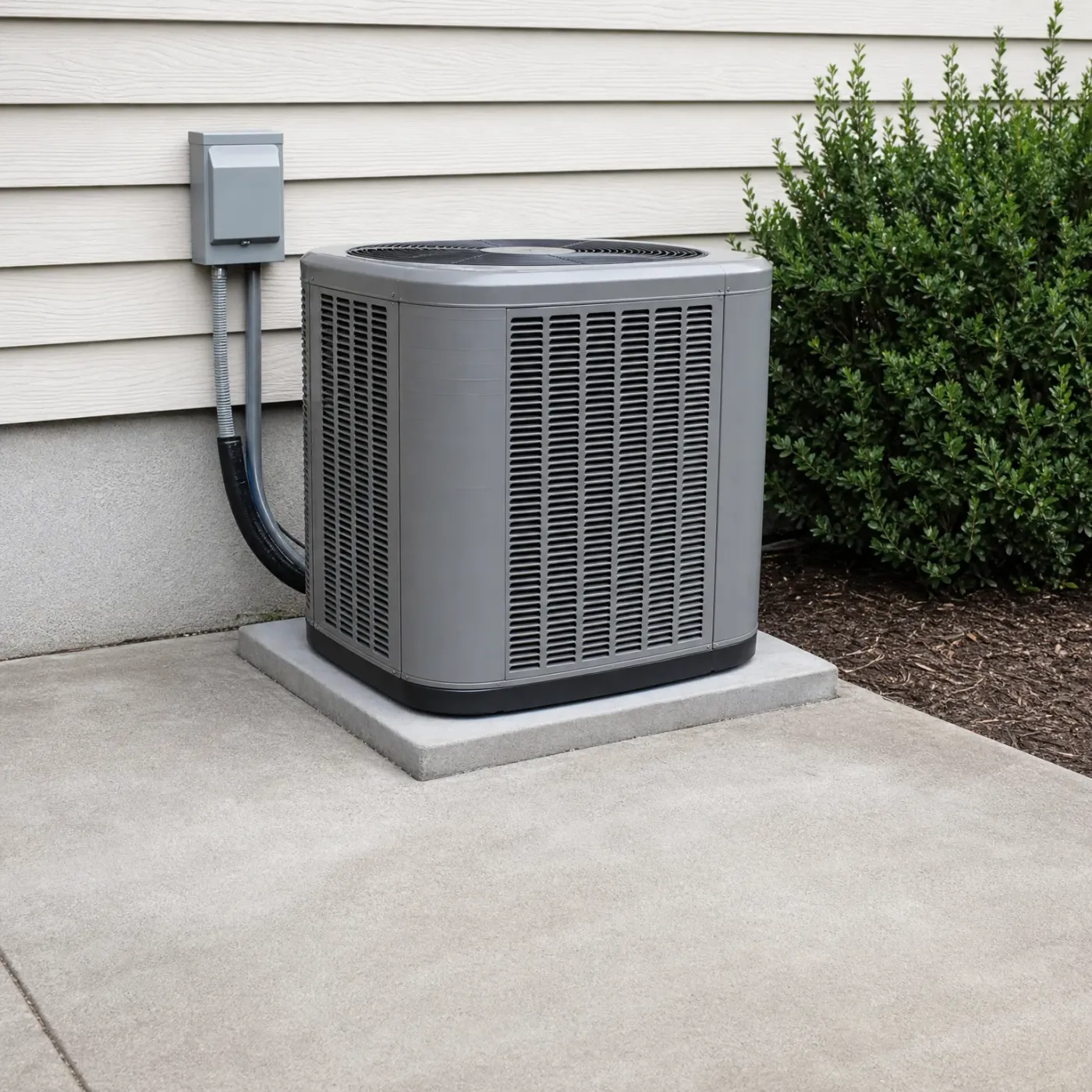
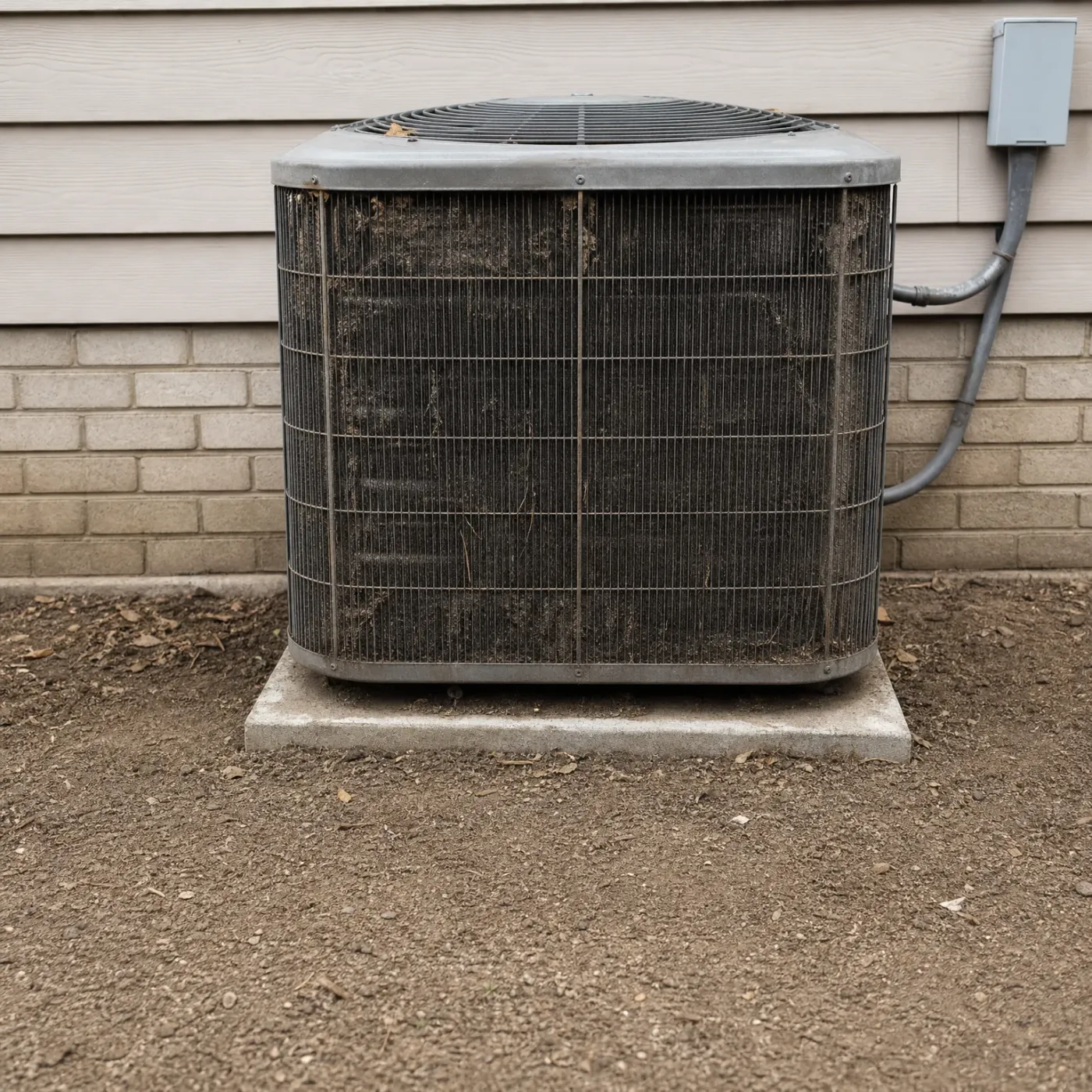
What's happening at your house right now
Go stand by the outdoor unit. If the fan's not moving, you'll likely hear the compressor still running, a steady hum from inside the cabinet, while the top stays still and no air pushes out. The sides of the unit may feel warm or hot to the touch. Inside, the thermostat still shows it's calling for cooling, and air is still coming through your vents, but it won't be as cold as it should be, and it'll get worse the longer the unit runs this way. Give it a few hours in Illinois summer heat with the fan down and the compressor can overheat enough to trip off on its own, leaving you with no cooling at all until someone gets out to look at it.
No phone calls to make
The pro who reaches out is licensed in Illinois.
Fill out one short form instead of calling around.
There's no charge for the request.
Power costs 17.67 cents per kilowatt-hour statewide
At that rate, a seized fan motor costs you twice. The compressor keeps drawing power while it strains against heat it can't shed, and your meter doesn't care that half the unit has stopped working. A stuck fan on a July afternoon runs up the bill while it's doing less of the job.
EIA-861 2025 statewide residential average
What a dual run capacitor does
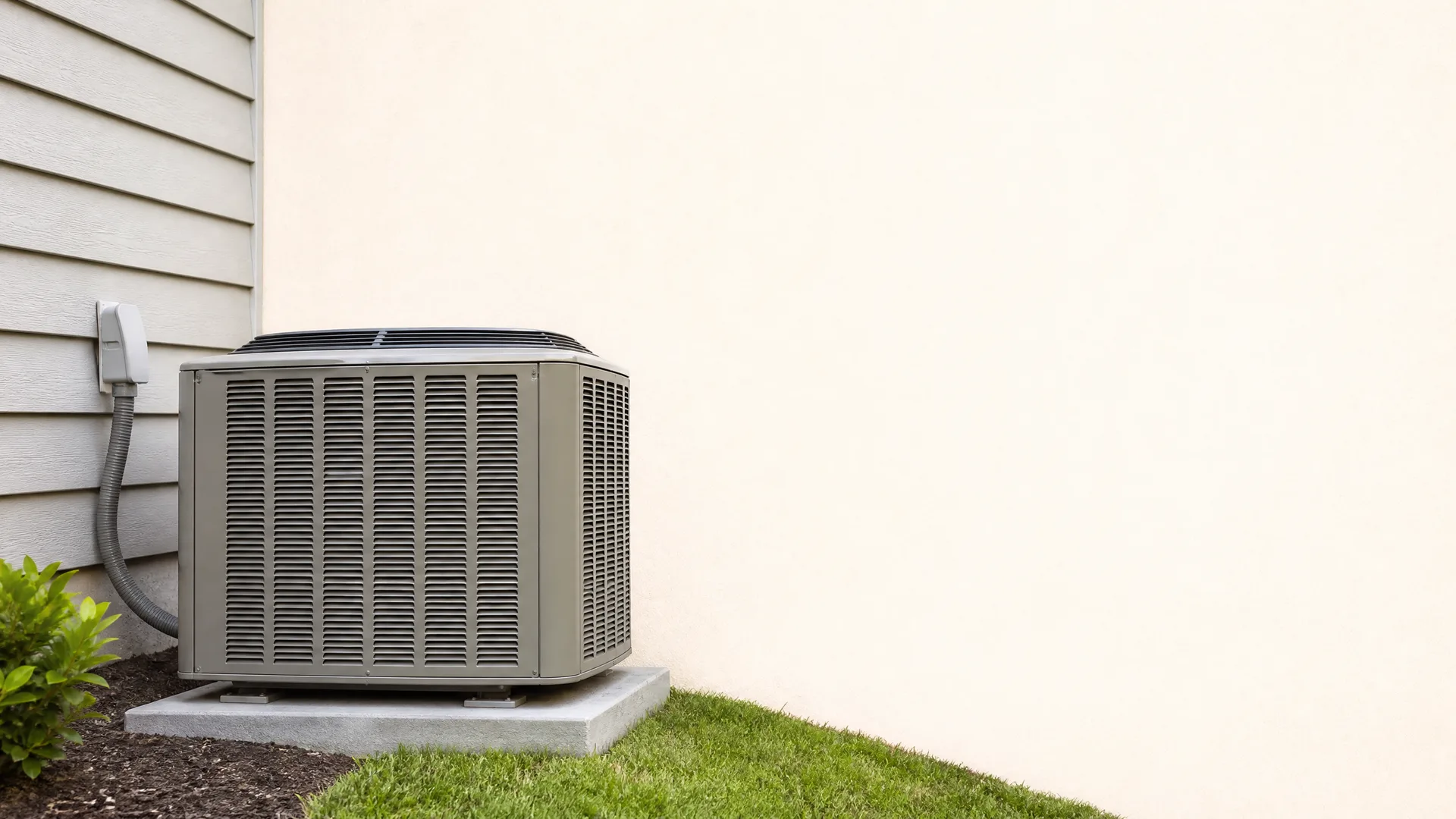
Most residential condensers use one dual run capacitor to start both the compressor and the fan motor. It stores a charge and releases it to get both motors spinning, then keeps feeding them while they run. When it weakens, the fan is usually the first to stall, since its motor pulls less current than the compressor and has less reserve to draw on if the capacitor can't deliver full strength.
Why the motor itself fails
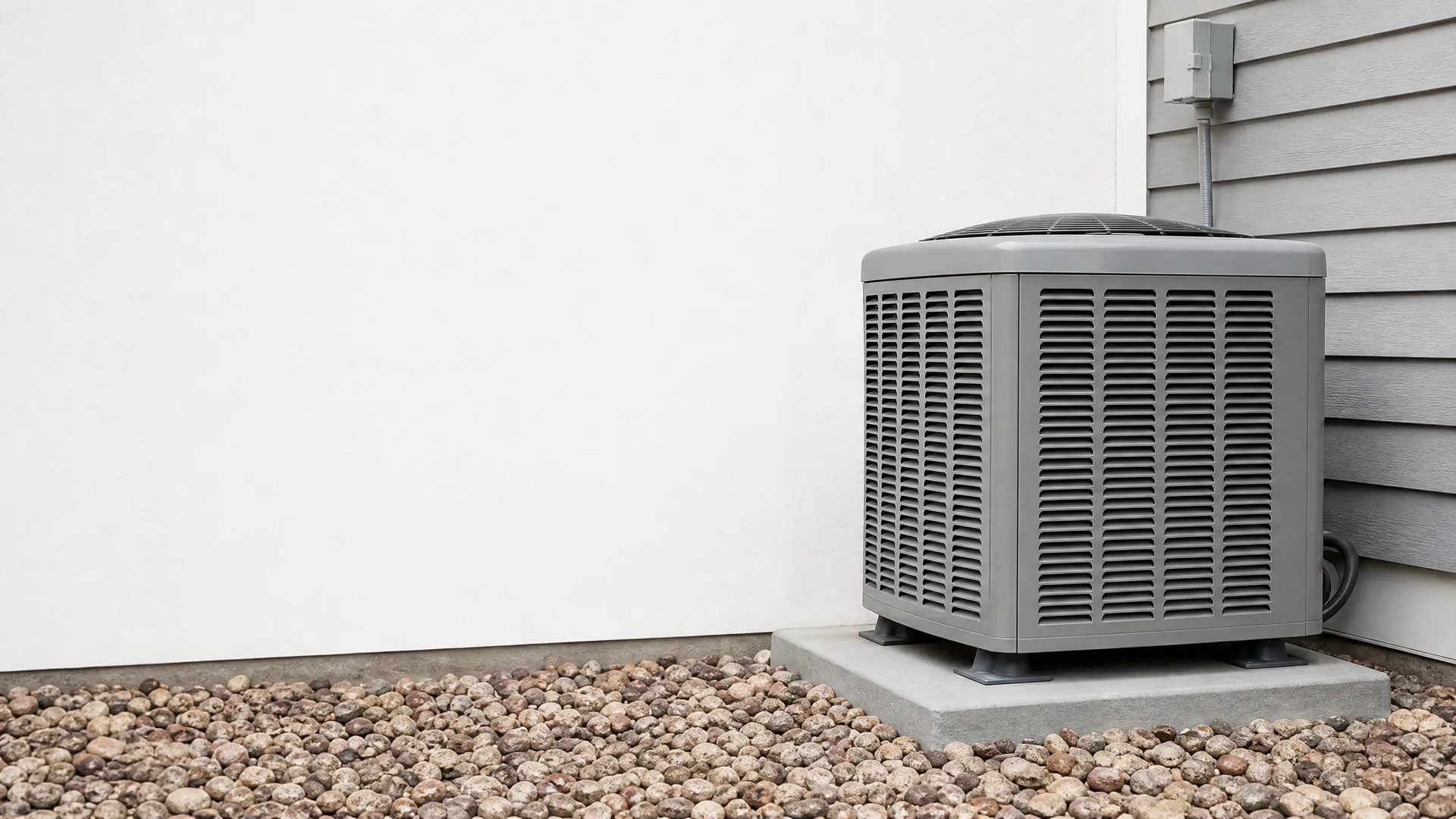
Fan motors sit exposed on top of the unit, through Illinois winters and summers both, and the bearings wear with age. Once a bearing seizes, the shaft won't turn even with full power reaching the motor and a good capacitor behind it. A licensed contractor checks capacitor and motor separately, since swapping one when the other has failed just means a second trip and the fan still not spinning.

What a stuck fan means for your house tonight
If the fan stays stuck past this afternoon, the air coming out of your vents will start to feel less cold, then stop feeling cold at all. The compressor can only take so many hours of running without the fan pulling heat off the coil before it shuts itself down, and once it does, you're sitting in a closed-up house in Illinois humidity with no AC until someone opens up that outdoor unit and finds what seized.
That's the part most homeowners don't want to deal with themselves: calling around to find someone who actually works on condenser fan motors, explaining what you heard and saw at the unit more than once, then sitting with a stack of quotes trying to guess which contractor is worth the call. Here you get matched with one licensed Illinois contractor who already knows a fan motor from a bad capacitor over the phone, not five companies competing for your callback.


Illinois summers run a dew point around 63°F from June through August, averaged across where people live in the state, according to NOAA climate data. That's sticky enough that your AC is pulling moisture out of the air most of the day, not just cooling it. The condenser fan is what gets rid of the heat that job generates, pushing it off the coil and out of the cabinet. When that fan stops turning on a day like that, the unit has nowhere to put the heat it's pulling out of your house, and you'll feel it inside within the hour.
NASA POWER T2MDEW county cells weighted by homes
A fan that won't spin on the outdoor unit almost always traces back to one of a few parts: a dead capacitor, a bad contactor, a failed motor, or a coil so packed with grime the heat has nowhere to go. You can't tell which from the driveway. What you can tell is that the compressor is still drawing power and still building heat while the fan sits still, and that's not something to leave running through another sticky Illinois afternoon. A licensed local contractor who works on these units all summer can look at the capacitor, the motor, and the coil in one visit and tell you which one failed, instead of you guessing or calling around to find someone who'll take the job. That's what finding the right help means here: one person who knows this equipment, looking at your unit, telling you straight what's wrong and what it takes to get that fan turning and your house cooling again.


One form, no calling around
A stuck fan isn't something to watch and wait on, especially with the compressor still drawing power. Rather than calling around to different repair companies and explaining the same thing three times, you put in one request and it goes to a licensed Illinois contractor who works on condensers like yours all summer and knows what a dead fan usually means. No pile of calls from competing companies, just one contractor who can get out and look at it.
Only one pro gets your request, so you hear from one company.
You only hire the pro if you want to.