
Why your AC smells like burning in Illinois
Why does my AC smell like something's burning?
You walked past the vents and caught it, that hot, electrical smell, and now you're not about to just let it run. With how hard your AC works through an Illinois summer, a smell like that usually means something, not nothing.
Usually a motor or electrical part overheating, not the air itself
That smell almost always comes from something electrical, not from the air blowing through your house. A blower motor working too hard, a failing capacitor, or wiring that's loose at a connection can all heat up enough to give off that burning odor. Dust sitting on a motor or burning off a hot component smells the same way and isn't always serious on its own. But with how many hours your AC runs through an Illinois summer, parts wear faster than they would somewhere milder, and a motor that's been straining for weeks can go from smelling hot to failing outright. If the smell is sharp or sticks around after the system shuts off, that's your sign something inside needs a closer look before it quits on a 90 degree afternoon.

A motor or capacitor overheats and the windings start to burn.
Burnt insulation gives off that hot, acrid smell inside the unit.
The blower pushes that smell through your ductwork and out the vents.
You catch it in the first room the air reaches.
Shut It Off or Keep Running
Shut it off now
- A burning smell from an AC means a motor winding or a capacitor is overheating right now, not a problem that waits.
- Running it longer pushes more hot, acrid air through every room the ductwork reaches.
- A winding that burns through can take the whole blower motor or compressor with it.
- Electrical heat inside the cabinet can scorch wiring insulation nearby, turning one bad part into several.
- Shutting off power at the breaker stops the heat without you needing to find the exact part first.
- A contractor can still diagnose a unit that's been off; the smell and any scorch marks tell them where to look.
Keep running it
- The smell usually gets stronger, not weaker, since whatever's overheating keeps drawing power and heating up further.
- A weak capacitor or motor under strain pulls harder on the rest of the system, straining parts that were fine before.
- On a July or August day in Illinois, a system already working hard has less room to tolerate a failing part.
- Continuing to run it risks a full breakdown mid-cycle instead of a scheduled repair on your terms.
- A motor that burns out completely costs you the motor, not just the part that started it.
- Illinois power rates make a struggling system an expensive one to keep running while something inside it fails.




Done looking for an air conditioner pro
A burning smell coming through your vents isn't something to sit on, especially once you've already switched the system off. The part behind it, a motor or a capacitor, needs a trained eye to find and replace, and that's not a job to leave for whenever a schedule opens up. Illinois summers push these units hard, and with power costs what they are here, a motor that's already overheating is not going to get better on its own. Finding the right contractor usually means a few calls, a few quotes, maybe a few days of waiting on someone to pick up. Send this request instead and that search is done. One local contractor who works on AC systems like yours all summer long gets your information, not a handful of companies competing for your call. They'll know the usual causes for a smell like this before they ever see your unit. With a burning smell on the table, getting that matched up now is worth more than waiting on it.
What That Smell Is Costing You
- A burning smell that reaches the living room means it traveled through every duct along the way.
- Running the system even one more cooling cycle lets that motor winding get hotter, not cooler.
- A capacitor that fails this way can take the compressor down with it, turning a repair into a replacement.
- The smoke smell settles into curtains, carpet, and upholstery in whatever room the vent sits closest to.
- A breaker that trips after the smell shows up means the wiring is already drawing more than it should.
- Electrical heat damage inside the unit tends to spread to nearby wiring and connections the longer it runs.
That smell isn't staying in the utility closet. Every vent in the house is connected to the same ductwork, so whatever is burning near the air handler or the outdoor unit gets carried to the bedroom, the kitchen, wherever the air flows next. The longer the system runs, the hotter that motor winding or capacitor gets, not the other way around. A capacitor that fails under heat can take the compressor with it, and a compressor is the expensive part to replace. If a breaker has started tripping since the smell showed up, that's the wiring telling you it's already pulling more current than it should, and that's not something to wait on through another Illinois heat wave. There's a cost that isn't mechanical too. Smoke smell works its way into carpet, curtains, and upholstery, especially in whatever room sits closest to the vent, and that kind of smell doesn't air out on its own in a day. None of this gets better by giving it time. The damage inside the unit tends to spread, winding to wiring to the next connection over, the longer the system keeps cycling. Shutting it off was the right call. What happens next is figuring out which part failed and getting it swapped before it drags another part down with it, or before that smell settles any deeper into the house than it already has.
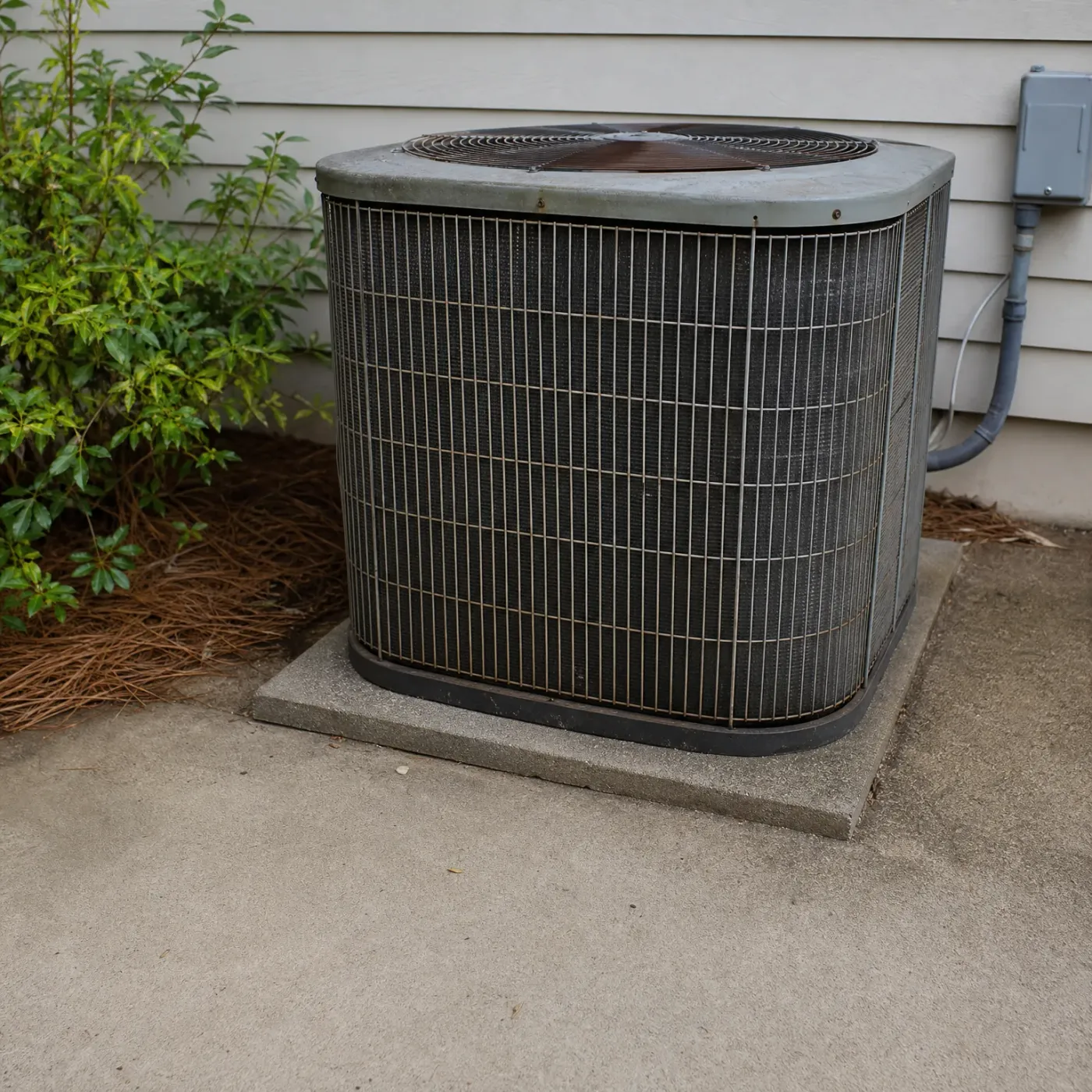
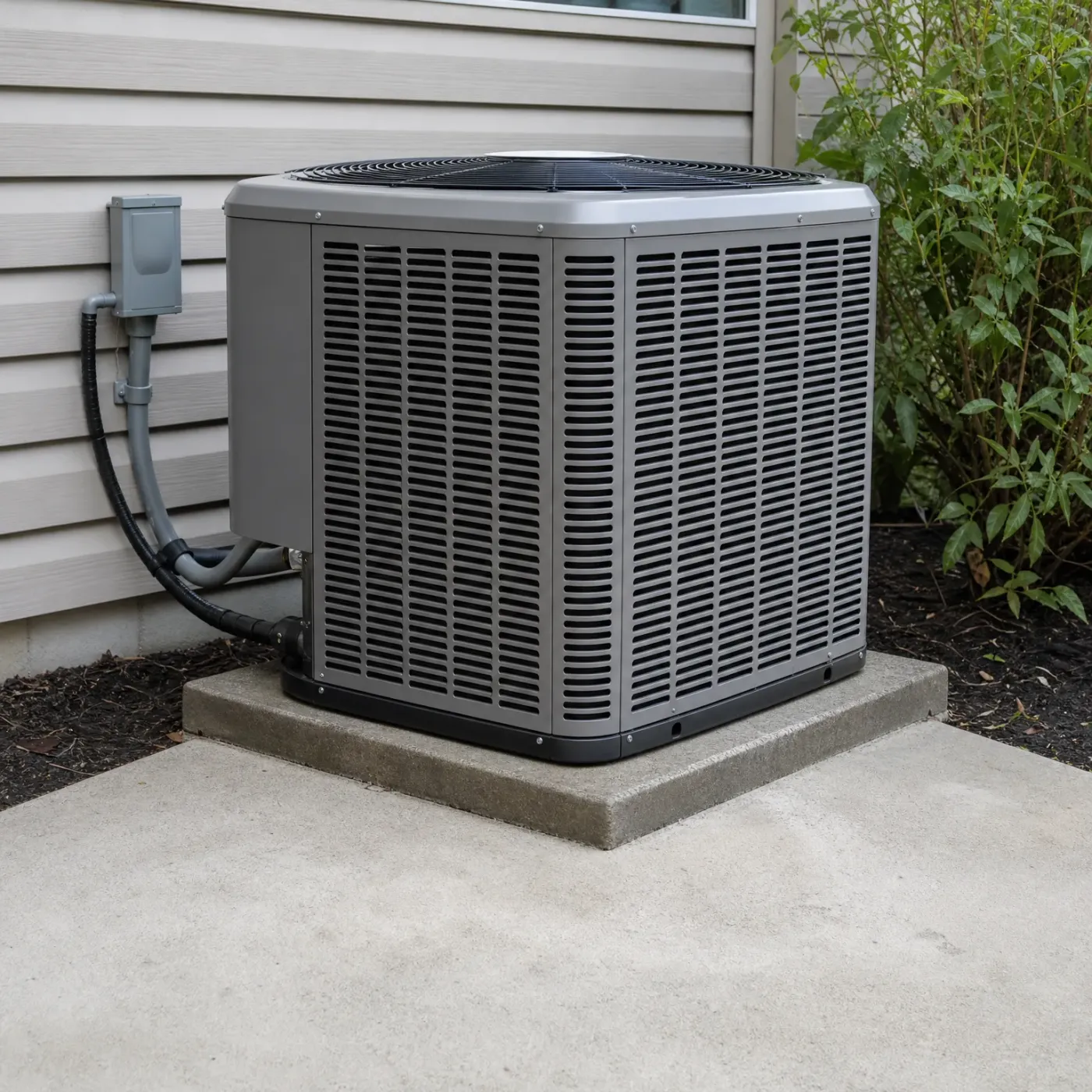
Power costs 17.67 cents per kilowatt-hour statewide
At 17.67 cents a kilowatt-hour, a motor that's overheating and drawing bad power isn't just risking a fire, it's running up your bill while it fails. A burned-out motor or capacitor costs you twice if you let it keep running.
EIA-861 2025 statewide residential average


A burning smell from your AC means a motor winding or a capacitor is overheating, and the fix is to shut it off and get it looked at before it runs again. That part doesn't get safer by waiting, and it doesn't fix itself. What you need is someone who works on this equipment all summer in Illinois heat and knows which of the two is failing before they even pull the panel off. You'll be matched with one licensed contractor local to you, not a handful of companies competing for the callback, so you're not stuck fielding calls and comparing quotes while that smell keeps coming through the vents. They'll find the part that's burning, replace it, and get your system running the way it should, without the smell and without the risk sitting behind it. That's where this leaves you: a clear answer, and one call away from someone who can act on it.
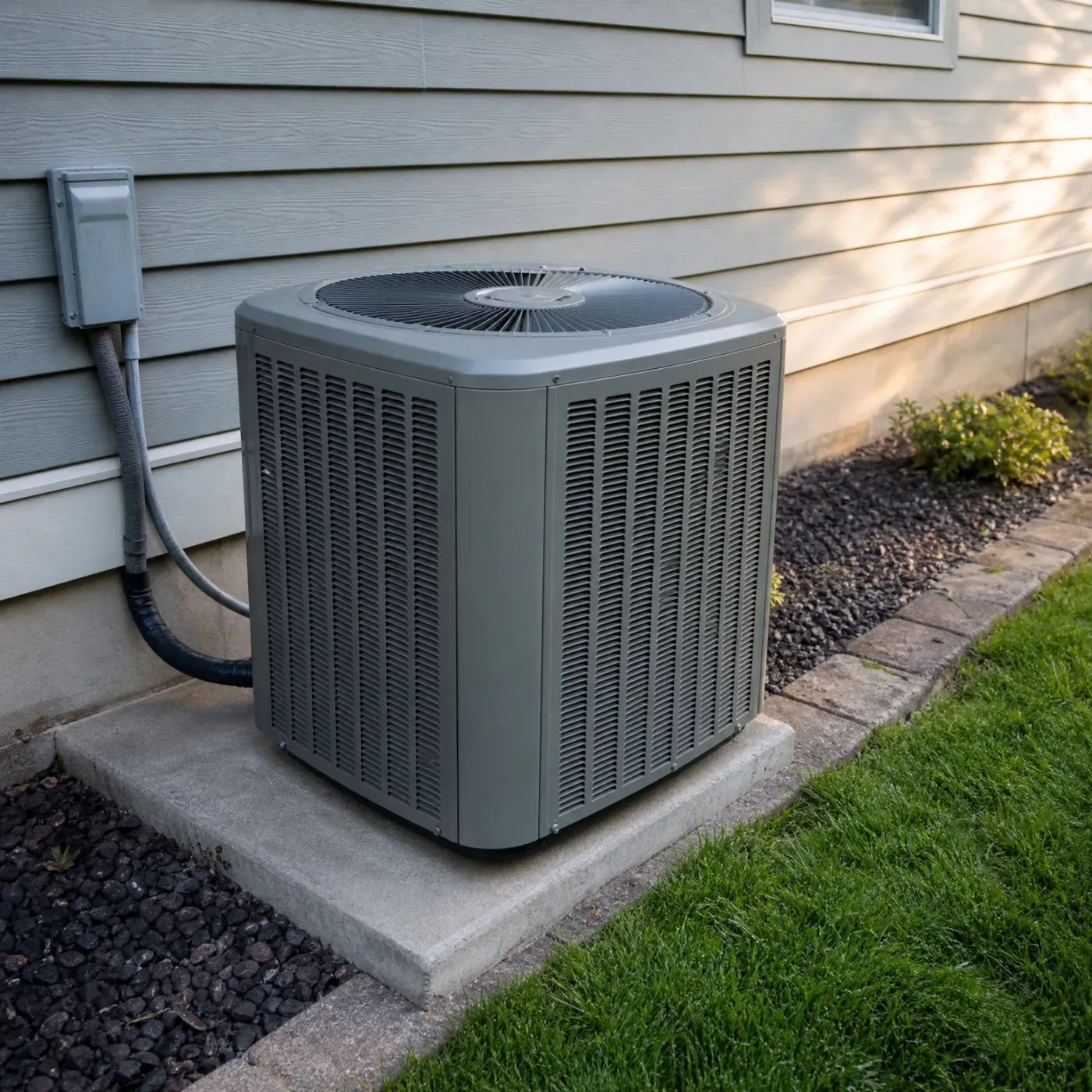
It's off your list after this
Your request goes to one pro, not a list of companies.
No charge to send it. You decide if you hire them.